Buying guide
Cheapest Countries to Buy a Private Island
Low island prices are always explained by something: remoteness, climate, short seasons, weak infrastructure or documentation risk. Understanding which factor applies is more useful than the price itself.
By Private Island Listings Editorial Team · Last updated 2026-08-20
Where Are the Cheapest Places to Buy a Private Island?
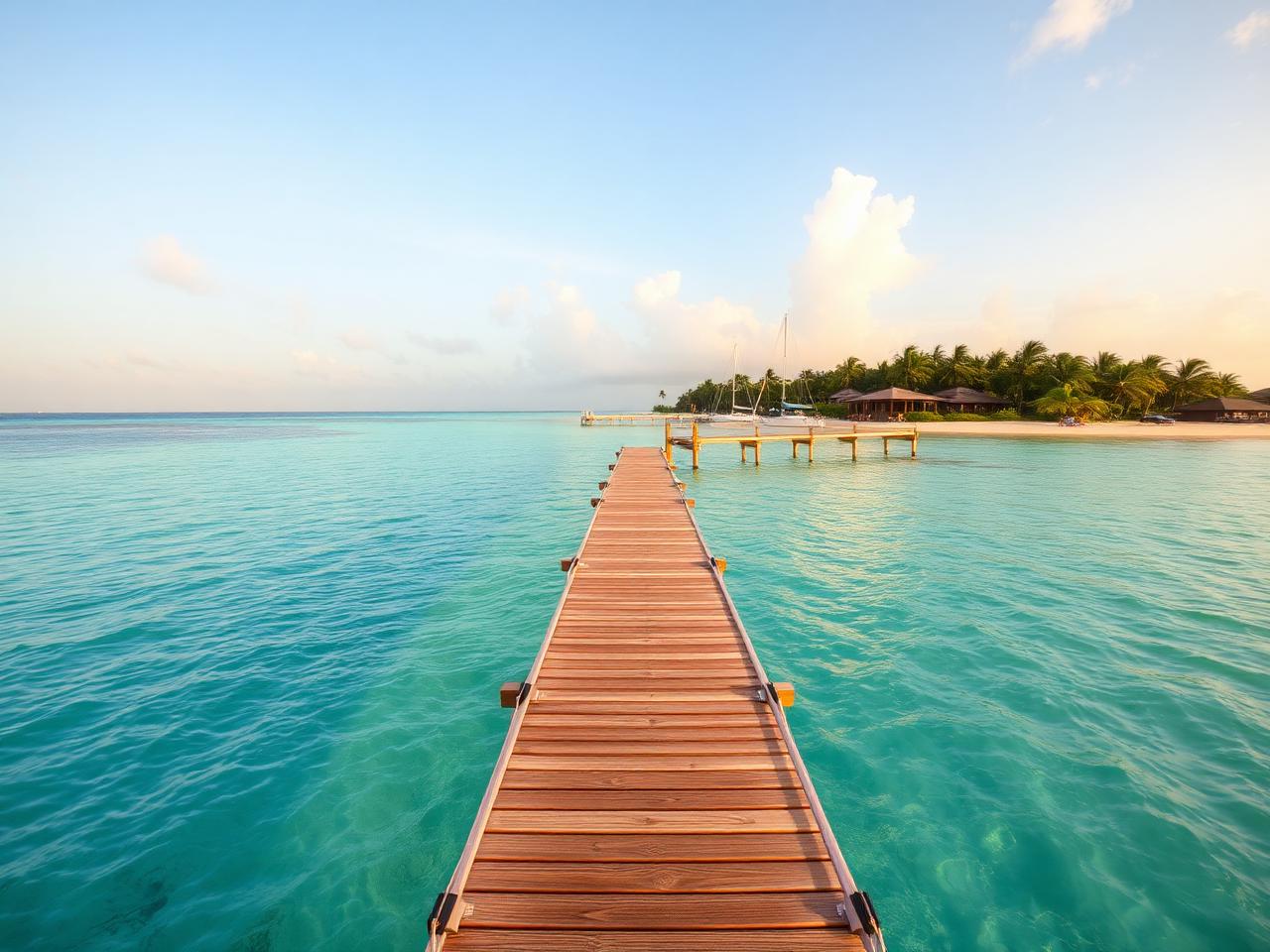
The cheapest private islands are rarely concentrated in one country. Low entry prices usually appear where at least one of four conditions is present: abundant island supply, seasonal use, difficult access or limited infrastructure.
For that reason, “cheapest country” is better treated as a market-screening question than a price ranking. The useful goal is to identify jurisdictions with lower-entry island markets and then compare the legal and infrastructure trade-offs that shape total cost.
Markets worth researching first include Canada, Finland and Sweden, parts of Central America, and selected South Pacific locations. The right choice depends on whether you want a freshwater cabin island, a tropical development project or a property with immediate usable infrastructure.
Canada: Broad Market, Shorter Seasons
Canada is a useful lower-entry market to research because it combines freshwater and coastal island markets with conventional property registration.
Ontario and Quebec offer mature cottage markets. Nova Scotia and New Brunswick add Atlantic coastal islands, while British Columbia has a more premium marine market.
Why some Canadian islands are comparatively affordable:
- lower-priced options outside the prime cottage districts;
- seasonal use in much of the country;
- boat-only access;
- undeveloped or lightly developed properties;
- greater distance from major cities.
What to check:
- whether the property sits inside or outside a major metropolitan or agglomeration area if the buyer is a non-Canadian;
- provincial taxes and buyer-specific rules;
- septic feasibility;
- shoreline and dock permissions;
- legal mainland access and boat storage.
A cheap Canadian island without a secure mainland base can be much less practical than a more expensive island with a marina arrangement already in place.
Finland and Sweden: The Nordic Cabin Route
Finland and Sweden have long cabin and archipelago traditions, so island ownership is not limited to trophy real estate.
Finland offers two broad search areas: freshwater Lakeland and the Baltic archipelago. Sweden offers the Stockholm archipelago, Lake Mälaren, the west coast and inland lake systems.
Why lower entry prices can appear:
- short warm-weather seasons;
- modest cabins rather than year-round houses;
- off-grid utilities;
- large numbers of small forested or rocky islands;
- locations farther from the major city markets.
The important diligence issue is development rights. In Sweden, shoreline protection can restrict new building. In Finland, acquisition permits may be relevant for purchasers outside the EU/EEA, and Åland has its own rules. Existing lawful buildings can therefore be more valuable than raw acreage.
Central America: Tropical Entry Prices With More Diligence
Nicaragua, Panama and Belize are common tropical markets to research when comparing lower-entry opportunities with prime Caribbean markets.
The attraction is obvious: warm climate, marine settings and lower land costs in selected areas. The trade-off is that title, environmental status, access and development rights deserve more transaction-specific investigation.
Questions to answer before treating a tropical island as “cheap”:
- Is the title registered and transferable?
- Is the marketed acreage actually usable upland?
- Can a dock or landing be permitted?
- Are mangroves, reef areas or other protected habitats involved?
- How far is the island from fuel, materials, labour and emergency services?
- What water source is realistic?
- Is the property freehold, leasehold or another legal interest?
A low asking price can disappear quickly if basic access and utility systems must be created from zero.
South Pacific and Other Remote Markets
Some lower-priced opportunities also appear in parts of the South Pacific and other remote island regions. These markets can be attractive for buyers comfortable with longer logistics chains, but the ownership structure is often more important than the price.
In some jurisdictions, foreign buyers may be dealing with long leases, native or customary land frameworks, investment approvals or restrictions on direct freehold ownership.
The correct comparison is therefore not “Which island is cheapest?” but “What legal interest am I buying, and what will it cost to make the property usable?”
The Difference Between a Cheap Island and a Cheap Project
A low purchase price does not automatically create a low total cost.
Before comparing markets, build a simple all-in budget with:
- legal and title work;
- survey;
- planning and environmental review;
- boat, dock or landing;
- power;
- freshwater;
- wastewater;
- communications;
- construction logistics;
- insurance;
- caretaking;
- annual transport.
A higher-priced island with a legal house, working dock and power connection can be cheaper overall than raw land that needs several years of infrastructure work.
Freehold, Leasehold and Other Ownership Structures
Search results often mix very different legal products.
Freehold generally means the buyer acquires the real estate interest itself, subject to local law. Leasehold gives the buyer rights for a defined term. Some markets use other structures or require corporate, investment or government approvals.
Do not compare a freehold Canadian lake island directly with a long-lease tropical development site solely by asking price. The rights, financing options, resale market and remaining lease term can make them completely different assets.
A Better Way to Search for a Low-Cost Island
Start with three filters:
Total project budget
Set the amount available not only for acquisition, but for the first phase of infrastructure and repairs.
Intended use
A summer retreat, remote-work base, development project and boutique resort require different markets.
Acceptable friction
Decide how much seasonality, boat travel, off-grid living, legal complexity and construction logistics you are willing to accept.
Once those are clear, the “cheapest” market becomes much easier to identify for your actual use case.
Markets to Research First
For buyers prioritising lower entry cost, the most useful starting points are:
- Canada for freshwater and Atlantic islands;
- Finland for lake and Baltic cabin islands;
- Sweden for archipelago and lake properties with strong legal registration;
- Nicaragua, Panama and Belize for tropical opportunities where transaction diligence is critical;
- selected South Pacific markets where the ownership structure fits the buyer.
Availability changes constantly. Treat these as market directions, not a promise that a suitable island is currently listed at a particular price.
Final Buyer Checklist
Before pursuing any low-priced island:
- 1Confirm the exact legal interest being sold.
- 2Verify title and boundary.
- 3Check development and shoreline restrictions.
- 4Establish access from the mainland.
- 5Cost the water, power and wastewater solution.
- 6Price material and contractor transport.
- 7Review annual maintenance and caretaking.
- 8Consider resale liquidity.
- 9Compare total usable cost against a more developed alternative.
The cheapest island is the one that still makes financial and practical sense after those questions are answered.
Frequently asked questions
What countries usually have the cheapest private islands?
Lower-entry opportunities commonly appear in Canada, Finland, Sweden, parts of Central America and selected remote markets. Availability changes, so these are research markets rather than guaranteed price rankings.
Can a tropical island be cheaper than a Canadian or Nordic island?
The land price can be lower, but tropical projects may require more spending on docks, desalination, solar power, wastewater and construction logistics.
Is freehold always better than leasehold?
Not automatically. It depends on the jurisdiction, lease term, permitted use, resale market and the buyer’s goals. The legal interest must be compared as part of the whole transaction.
Why are some northern islands inexpensive?
Short seasons, remote access, modest existing buildings and distance from premium cottage and archipelago districts can contribute to lower asking prices.
What is the biggest mistake when buying a cheap island?
Treating the asking price as the total project cost. Infrastructure, access and legal work can materially change the economics.
Should I buy an undeveloped island to save money?
Only after pricing the route to a usable property. A more expensive developed island can be cheaper overall if the dock, buildings and utilities are already lawful and working.