the Caribbean
Private Islands for Sale in The Bahamas
The Bahamas is the most active private island market in the world. An archipelago of hundreds of cays sits within a short flight of Florida, and the combination of shallow turquoise water, an established seaplane and charter network, and a familiar English-language legal system has made it the default starting point for many international buyers.
Islands here range from small sand cays a few acres in size to substantial holdings with airstrips and completed estates. Most of the market is concentrated in the Exumas, the Abacos, the Berry Islands and around Eleuthera, where boat and air access is dependable and existing owners have already proven what can be built.
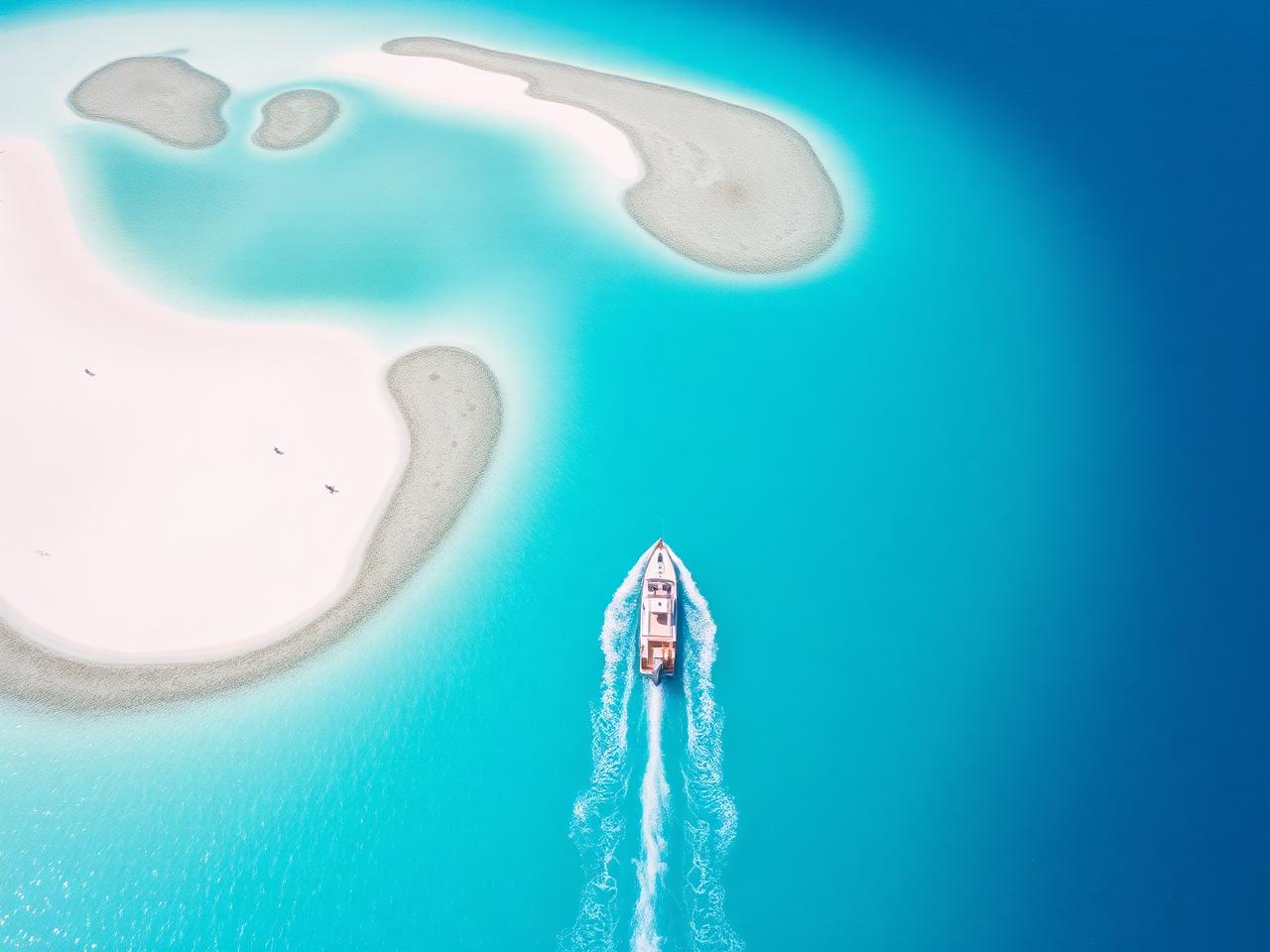
Areas within The Bahamas
Where buyers look
| Area | Notes |
|---|---|
| The Exumas | The best-known cay chain, prized for protected shallow water and a dense cluster of privately held cays. |
| The Abacos | Strong boating culture, established settlements and reliable services for construction and maintenance. |
| Berry Islands | Close to Nassau and Florida, with deep-water access on the western edge of the chain. |
| Eleuthera and Harbour Island area | Established residential infrastructure with nearby cays that suit private estates. |
Foreign ownership
- Non-Bahamian buyers can acquire property, and purchases by foreign nationals are subject to registration or permit requirements under Bahamian law.
- Requirements differ depending on the size of the holding and the intended use, so confirm the current position with a Bahamian attorney before making an offer.
- Purchases are frequently structured through a company or trust, which affects the documentation required at closing.
Tenure and title
- Freehold ownership is the standard tenure, with title established through a chain of conveyances and, increasingly, registered records.
- Crown land, seabed and the foreshore are separate from island title, so docks and marine works require their own approvals.
Taxes and fees
- Transaction costs typically include government stamp duty or value added tax on the transfer, legal fees and recording costs.
- Rates and thresholds change over time and depend on the property and structure, so obtain a written estimate from your attorney rather than relying on published summaries.
What drives price
- Travel time from Nassau, Georgetown, Marsh Harbour or a Florida departure point
- Beach quality, water depth and whether a dock can be permitted on the site
- Elevation and hurricane exposure, which drive both construction cost and insurance
- Existing consents, cleared building sites and any installed infrastructure
- Acreage of usable upland as distinct from tidal flats and mangrove
Development status
- Undeveloped cays are the largest part of the market and require a complete off-grid build, with materials barged from Nassau or Florida.
- Developed islands with a dock, generator plant, desalination and permitted residences trade at a substantial premium and are comparatively rare.
Climate and seasonality
- A subtropical climate with a hurricane season running roughly from June to November, which affects construction scheduling and insurance.
- Prevailing easterly trade winds influence which side of a cay is sheltered and where a dock or landing works best.
Infrastructure at a glance
| Service | Typical situation |
|---|---|
| Water | Reverse osmosis desalination combined with rainwater catchment and storage tanks; natural freshwater lenses on small cays are unreliable. |
| Power | Solar with battery storage plus a diesel generator for redundancy is the standard configuration on private cays. |
| Internet | Low-earth-orbit satellite service has made high-speed connectivity practical almost anywhere in the archipelago. |
| Docks and moorings | Dock construction requires marine approvals and depends on water depth, seabed type and hurricane exposure; dredging is tightly controlled. |
| Air access | Nassau and Marsh Harbour are the main gateways, with seaplane, helicopter and charter services covering the outer cays. Some larger cays have private airstrips. |
The buying process
- 1Agree heads of terms and appoint a Bahamian attorney experienced in island transactions
- 2Instruct a survey and a title investigation covering the full chain of ownership
- 3Complete technical checks on water, elevation, seabed and any existing structures
- 4Address foreign ownership registration or permit requirements
- 5Exchange and complete, paying transaction taxes and recording the transfer
Currency
Transactions are typically denominated in USD.
Related guides
Frequently asked questions
Why are Bahamian islands more expensive than similar cays elsewhere?
Proximity to the United States, a dependable charter and seaplane network, a familiar legal framework and consistent international demand all support values in The Bahamas relative to more remote markets.
Do Bahamian private islands have fresh water?
Rarely in usable quantity. Most owners rely on desalination and rainwater catchment with substantial storage, which should be part of the initial infrastructure budget.
Can a foreign buyer build a dock?
Docks require marine and planning approvals, and feasibility depends on water depth, seabed conditions and environmental sensitivity. Confirm what is achievable before agreeing a price.