Europe
Private Islands for Sale in Greece
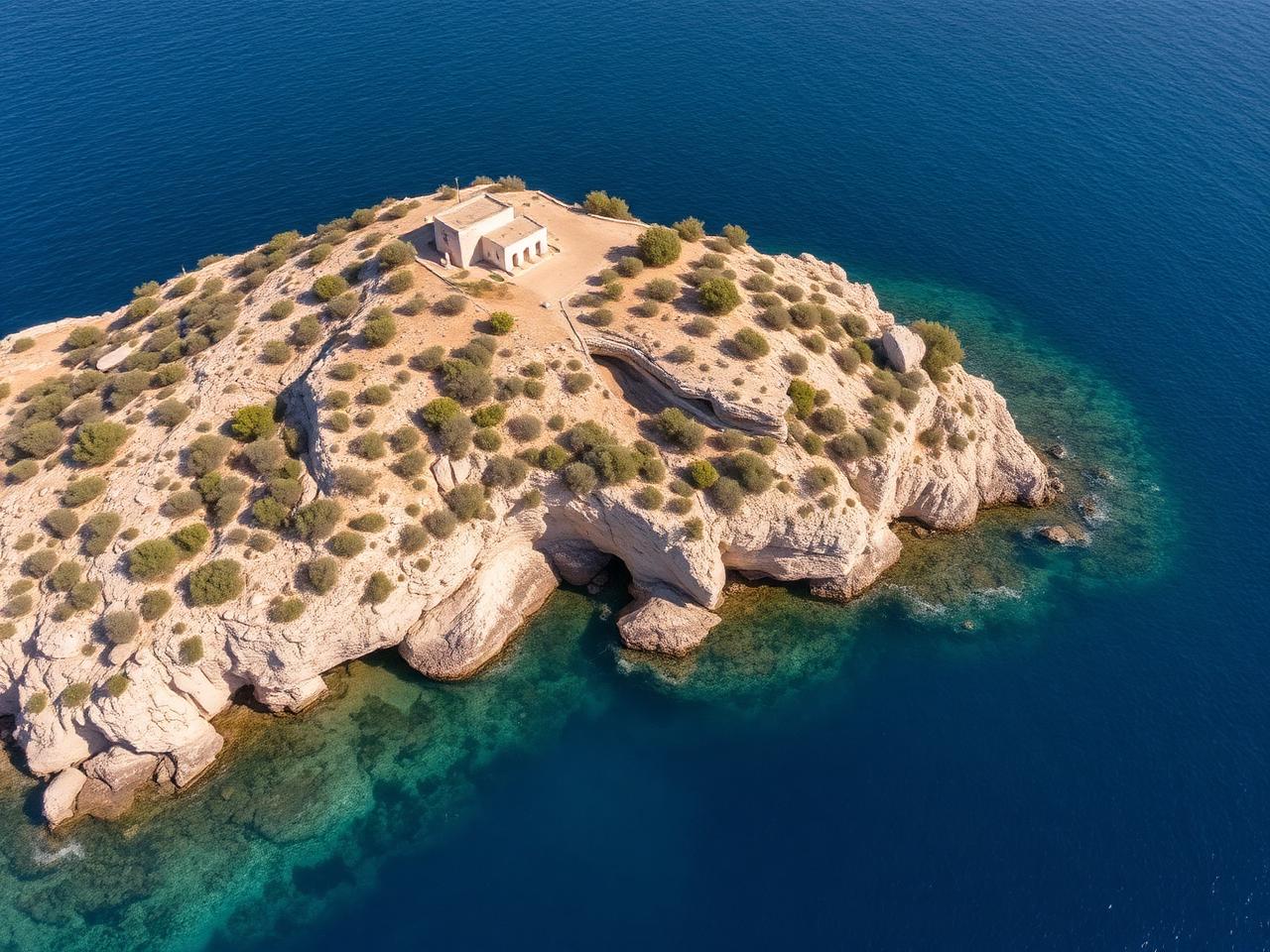
Greece has the deepest private island market in the Mediterranean simply because it has the most islands. Thousands of uninhabited islets are scattered across the Ionian and Aegean seas, and a small number are privately held and occasionally traded.
The Greek market rewards patience and legal preparation. Building rights depend on island size, zoning and forestry classification, coastal setbacks are enforced, and archaeological authorities can have a decisive say in what is permitted. An island with existing permits or a legally built structure is therefore worth considerably more than a comparable one without.
Areas within Greece
Where buyers look
| Area | Notes |
|---|---|
| Ionian Islands | Greener islands near Corfu, Lefkada and Ithaca with mild weather and good marina access. |
| Aegean — Cyclades | Iconic scenery and strong demand, but strict planning and limited water supply. |
| Saronic Gulf | Islets within easy reach of Athens, valued for accessibility rather than seclusion. |
| Sporades and Northern Aegean | Quieter waters with lower prices and longer travel times. |
Foreign ownership
- EU nationals may purchase property in Greece on the same basis as Greek nationals.
- Buyers from outside the EU can purchase, but properties in designated border or strategic areas require special approval, and several island regions fall within those zones.
- A Greek tax number and a local bank arrangement are practical prerequisites for any purchase.
Tenure and title
- Freehold ownership is standard and is recorded through the land registry and cadastral system.
- The foreshore and coastal zone are public, and any works on the shoreline require separate permission.
Taxes and fees
- A property transfer tax applies on purchase, together with notary, legal and registration fees, and an annual property tax thereafter.
- Rates and reliefs change, so obtain a written cost estimate from a Greek lawyer for the specific transaction.
What drives price
- Whether building permission is achievable, and whether any permits already exist
- Distance from a port, marina or airport and the reliability of that connection
- Water availability, which is scarce on many Aegean islets
- Forestry and archaeological classification of the land
- Shoreline quality, anchorage and the possibility of a landing
Development status
- Most Greek islets are undeveloped, and their value depends heavily on whether construction is legally achievable.
- Islands with a legal existing dwelling are rare and command a strong premium relative to raw land.
Climate and seasonality
- A Mediterranean climate with hot dry summers and mild winters, giving a long usable season.
- The meltemi wind in the Aegean is a significant summer factor for boat access and building orientation.
Infrastructure at a glance
| Service | Typical situation |
|---|---|
| Water | Rainwater cisterns and delivered water are traditional solutions; desalination is used on larger projects. |
| Power | Solar with battery storage is typical; submarine cable connections exist for a few islets near inhabited islands. |
| Internet | Mobile coverage is good near populated islands, and satellite service fills the gaps. |
| Docks and moorings | Jetties and moorings require permits from port and coastal authorities and must respect the public foreshore. |
| Air access | Athens, Corfu, Mykonos, Santorini and regional airports provide access, with ferries and private boats for the final leg. |
The buying process
- 1Obtain a Greek tax number and appoint an independent Greek lawyer
- 2Commission title and cadastral searches covering the full ownership history
- 3Verify zoning, forestry classification and any archaeological designation
- 4Confirm building rights with a local engineer before committing
- 5Complete before a notary and register the transfer
Currency
Transactions are typically denominated in EUR.
Related guides
Frequently asked questions
Can you build on a Greek private island?
Sometimes, but it depends on the island's size, zoning, forestry status and proximity to archaeological sites. Building rights should be verified by a Greek engineer and lawyer before purchase, not assumed.
Do non-EU buyers face restrictions in Greece?
Purchases in designated border and strategic areas require specific approval, and several island regions fall within them. The process is established but adds time.
How do Greek islands get water?
Traditionally through cisterns collecting winter rain, often supplemented by water delivered by boat. Larger projects install desalination.