Buying guide
How Private Islands Get Electricity and Water
Water and power determine whether an island is comfortable or merely picturesque. Both are engineering questions with well-established solutions, and both need to be scoped before purchase rather than after.
By Private Island Listings Editorial Team · Last updated 2026-08-20
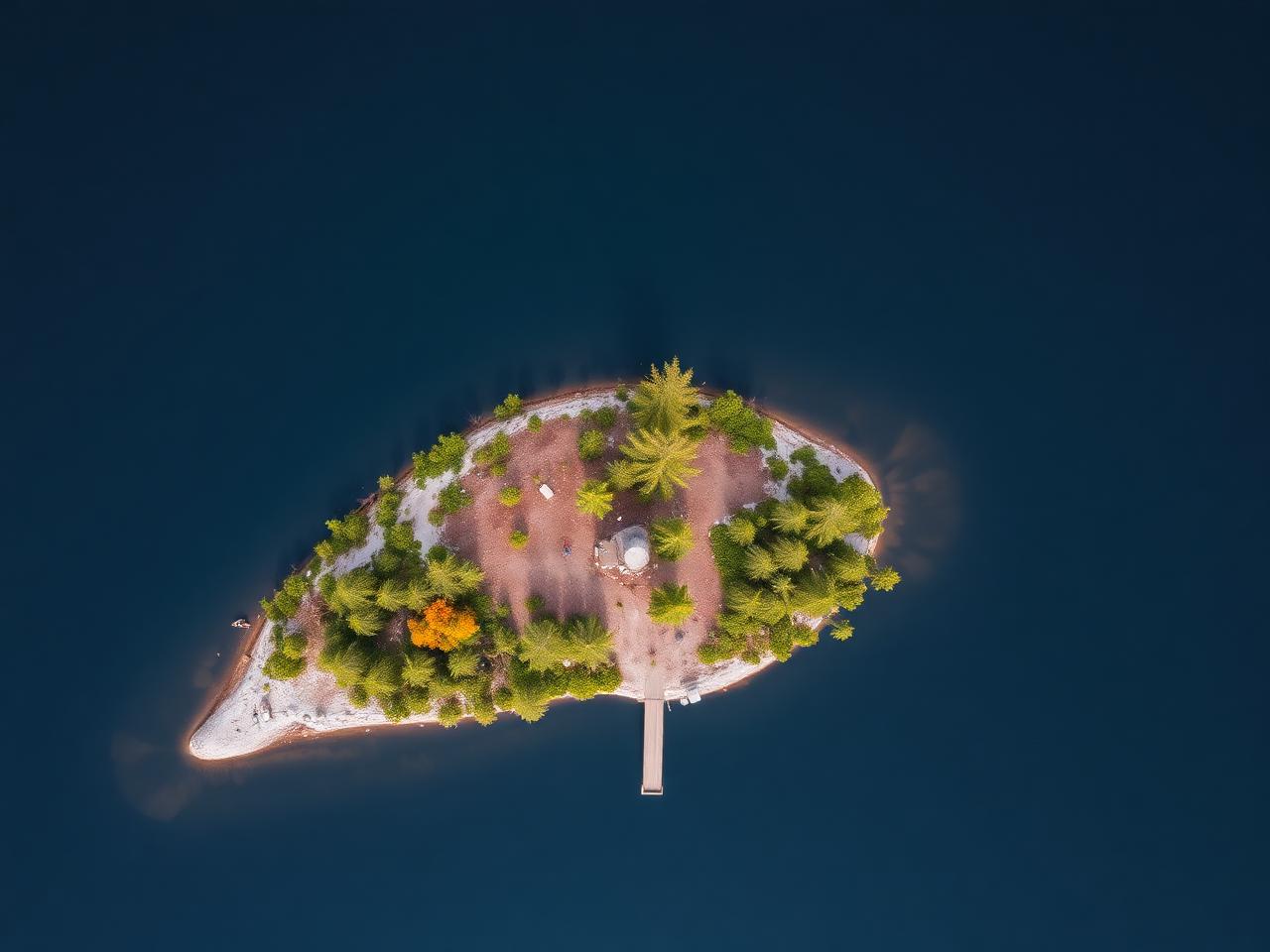
How Do Private Islands Get Electricity?
Private islands use the same electrical technologies as other remote properties, but reliability matters more because the island may have no grid connection and no rapid repair service.
A common modern setup is a hybrid system:
- solar photovoltaic panels produce most routine energy;
- batteries store energy for nights and short periods of poor weather;
- a generator provides backup and supports high loads or maintenance periods.
Some islands close to populated coastlines are connected to the mainland by submarine cable. Where a legal and reliable cable connection already exists, it can materially simplify ownership.
The correct system depends on daily energy use, peak electrical demand, climate, occupancy and the consequences of failure.
Start With the Load, Not the Solar Panels
A power design should begin with what the island must operate.
List:
- refrigeration;
- lighting;
- pumps;
- air-conditioning or heating;
- kitchen equipment;
- internet and communications;
- security;
- wastewater treatment;
- pool equipment;
- workshops;
- desalination;
- staff buildings.
Water and cooling can be major loads. If desalination is required, the water and power systems should be designed together rather than as separate projects.
Critical loads should be identified so that essential services can continue even if part of the system fails.
Solar, Batteries and Generator Backup
Solar
Solar is well suited to islands because generation happens on site and requires no fuel delivery. The design still needs to account for cloud cover, salt, wind, mounting corrosion and maintenance access.
Battery storage
Batteries allow solar generation to be used at night and smooth short-term changes in demand. The battery should be sized around the actual operating plan, not a generic house template.
Generator
A generator remains useful on many fully off-grid islands. It can support extended poor weather, maintenance or unusually high loads.
Fuel is an island logistics issue as much as an energy issue. Delivery, safe storage, storm preparation and long-term fuel quality should be planned from the beginning.
Hybrid controls
A well-designed hybrid system coordinates solar, batteries and backup generation so that the generator is not running continuously. Monitoring should allow the owner or caretaker to identify abnormal loads and equipment faults early.
How Do Private Islands Get Fresh Water?
There are four main sources.
Rainwater catchment
Rainwater is collected from roofs and stored in tanks. It works best where rainfall is adequate and where roof area and tank capacity are designed for the occupancy.
The system still needs filtration and a plan for long dry periods.
Wells and boreholes
Larger islands may have groundwater or a freshwater lens. Water quality and sustainable yield need to be tested.
On small coastal islands, excessive pumping can contribute to saltwater intrusion, so a well should not be assumed simply because vegetation is present.
Desalination
Reverse-osmosis desalination is common where seawater is abundant and natural freshwater is limited.
It provides control over water supply but adds:
- electrical load;
- pumps;
- membranes;
- pretreatment;
- maintenance;
- spare-parts requirements;
- brine-disposal considerations.
The desalination plant should be designed as part of the island utility system, not added after the power system is already sized.
Delivered water
Water can also be delivered by boat or barge. This may be reasonable during construction, as emergency backup or for very low occupancy, but it creates dependence on weather and transport.
Water Storage Is Part of the System
Even where the island has a reliable production source, storage matters.
Tanks create resilience when:
- a pump fails;
- weather delays a delivery;
- the desalination plant is being serviced;
- rainfall is below normal;
- occupancy suddenly rises.
Separate potable-water storage from other uses where appropriate, and make water quality monitoring part of the maintenance plan.
Wastewater Must Be Planned With Water
An island utility plan is incomplete without wastewater.
Possible systems depend on geology, soil, regulation and occupancy. A buyer should establish what is legally permitted and whether the existing system matches the intended number of occupants.
A high water-production capacity does not help if the property lacks a compliant wastewater solution.
Reliability: Design for Failure
Remote systems should be designed with failure in mind.
Useful resilience measures include:
- separating critical and non-critical electrical circuits;
- maintaining backup pumps;
- keeping essential filters, membranes, controllers and fuses on site;
- remote monitoring;
- surge and lightning protection;
- corrosion-resistant enclosures;
- redundant communications;
- a trained caretaker or local technician;
- documented shutdown and restart procedures.
The goal is not to eliminate every failure. It is to make common failures recoverable without waiting days for a specialist to arrive.
What to Inspect Before Buying an Island
If the property is already developed, ask for:
Power
- generation equipment list;
- battery age and capacity;
- generator hours and service records;
- fuel storage;
- electrical drawings;
- historical faults;
- monitoring data where available.
Water
- source;
- storage volume;
- treatment process;
- water-quality records;
- desalination service history;
- well testing;
- pump and membrane spares.
Wastewater
- system type;
- permits;
- design occupancy;
- maintenance history.
A utility system that “works today” may still require a large near-term replacement budget.
Grid-Connected vs. Fully Off-Grid Islands
A mainland cable can simplify power, but it creates its own questions: ownership of the cable, repair responsibility, capacity and vulnerability to marine damage.
A fully off-grid island is more independent but requires active management of generation, storage and backup equipment.
Neither model is automatically better. The correct system is the one that supports the intended use with a realistic maintenance plan.
Buyer Takeaway
Before buying an island, define:
- how many people will use it;
- whether occupancy is seasonal or year-round;
- how much cooling or heating is needed;
- whether water must be desalinated;
- which loads are critical;
- how quickly technical support can reach the site.
Then assess the island’s existing utility system against that operating plan.
Water and power are not secondary amenities. They are core parts of the asset.
Frequently asked questions
How do private islands get electricity?
Many remote islands use solar generation, battery storage and generator backup. Some near-shore islands have submarine cable connections to the mainland.
Is solar enough for a private island?
It can provide most routine energy in suitable climates, but batteries, backup generation and careful load planning are often used to maintain reliability.
How do private islands get fresh water?
Common sources are rainwater catchment, wells, desalination and delivered water. The best solution depends on climate, geology, occupancy and local regulation.
Do private islands use desalination?
Some saltwater islands do, especially where rainfall or groundwater is insufficient. Reverse osmosis adds electrical load and requires maintenance.
What should I inspect in an existing island power system?
Review the solar array, batteries, generator, fuel storage, electrical distribution, monitoring, service history and expected replacement dates.
Why should power and water be designed together?
Pumps and desalination consume electricity, so the water strategy directly affects the size and reliability requirements of the power system.