Island type
Developed Private Islands for Sale
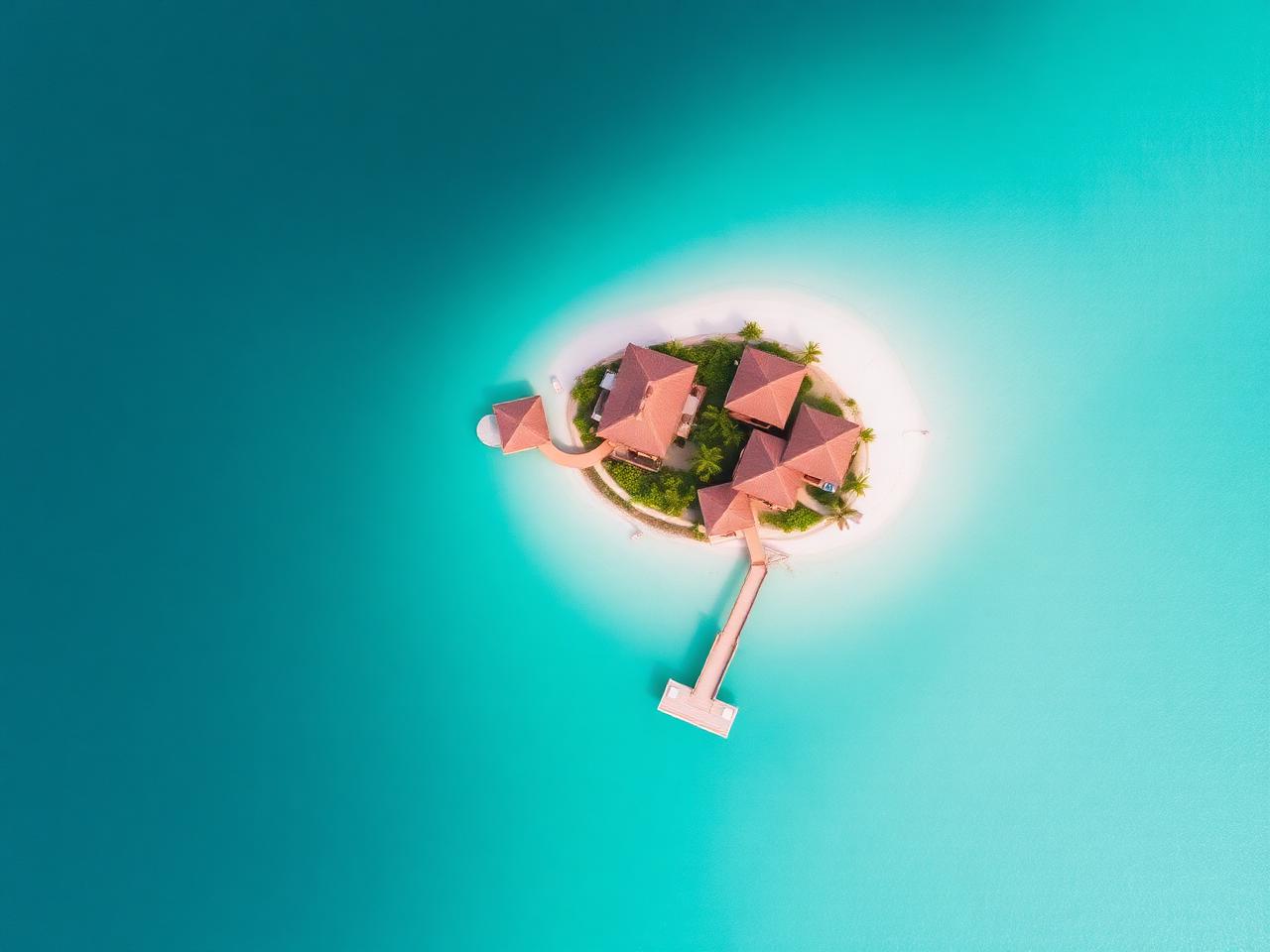
A developed island already has buildings, a landing or dock, and some form of power and water. That removes years of process and construction risk, which is why developed islands trade at a substantial premium over raw land in the same market.
The diligence focus shifts accordingly. Instead of asking what could be built, you are asking whether what exists is legal, sound and economic to maintain.
Who this suits
- Buyers who want to use the island in the first season after purchase
- Owners without the time or appetite to manage a remote construction programme
- Families needing guest and staff accommodation from day one
- Investors seeking an asset with an established operating history
Where to find them
- Ontario, Michigan, New York and Maine, where cottage islands are an established market
- Nordic archipelagos with cabins, saunas and jetties
- Bahamas and the Caribbean, where completed estates occasionally trade
- Australia and New Zealand coastal islands with permitted dwellings
- Mediterranean Europe, where legal existing buildings carry disproportionate value
Key considerations
- Confirm every structure is permitted and, where relevant, certified for occupancy
- Commission condition surveys of buildings, docks, seawalls and tanks
- Review the age and service history of generators, pumps and desalination equipment
- Obtain at least two years of actual operating costs rather than estimates
- Check insurance history, including any catastrophe claims
Infrastructure
- Existing power generation with documented capacity and fuel logistics
- Water production or catchment with tested quality and storage volume
- Wastewater systems with current approvals
- Dock, moorings and any mainland base included in the sale
- Communications, security and fire protection systems
Ownership notes
- Freehold is common in temperate developed markets and simplifies financing where it is available.
- Where buildings predate current rules, confirm their legal status rather than assuming grandfathering.
- Ensure that any mainland parking, slip or access easement transfers with the island.
Countries to consider
Related guides
Frequently asked questions
Why are developed islands so much more expensive?
Because remote construction and permitting are slow and costly. Buyers are paying for completed marine works, approved buildings and functioning systems as much as for the land.
What is the biggest risk with a developed island?
Unpermitted or non-compliant structures, and aging systems that need replacement soon after purchase. Both are identifiable with proper technical and legal diligence.