Europe
Private Islands for Sale in Sweden
Sweden's Stockholm archipelago is one of the most attractive island environments in Europe, with thousands of skerries and forested islands within an hour or two of a capital city. Inland lakes such as Vänern and Mälaren add further supply, generally at lower prices.
Two features define the market. Shoreline protection rules strictly limit new construction near water, which makes existing legal buildings valuable, and the right of public access means people may pass across undeveloped land, though not within the private zone immediately around a dwelling.
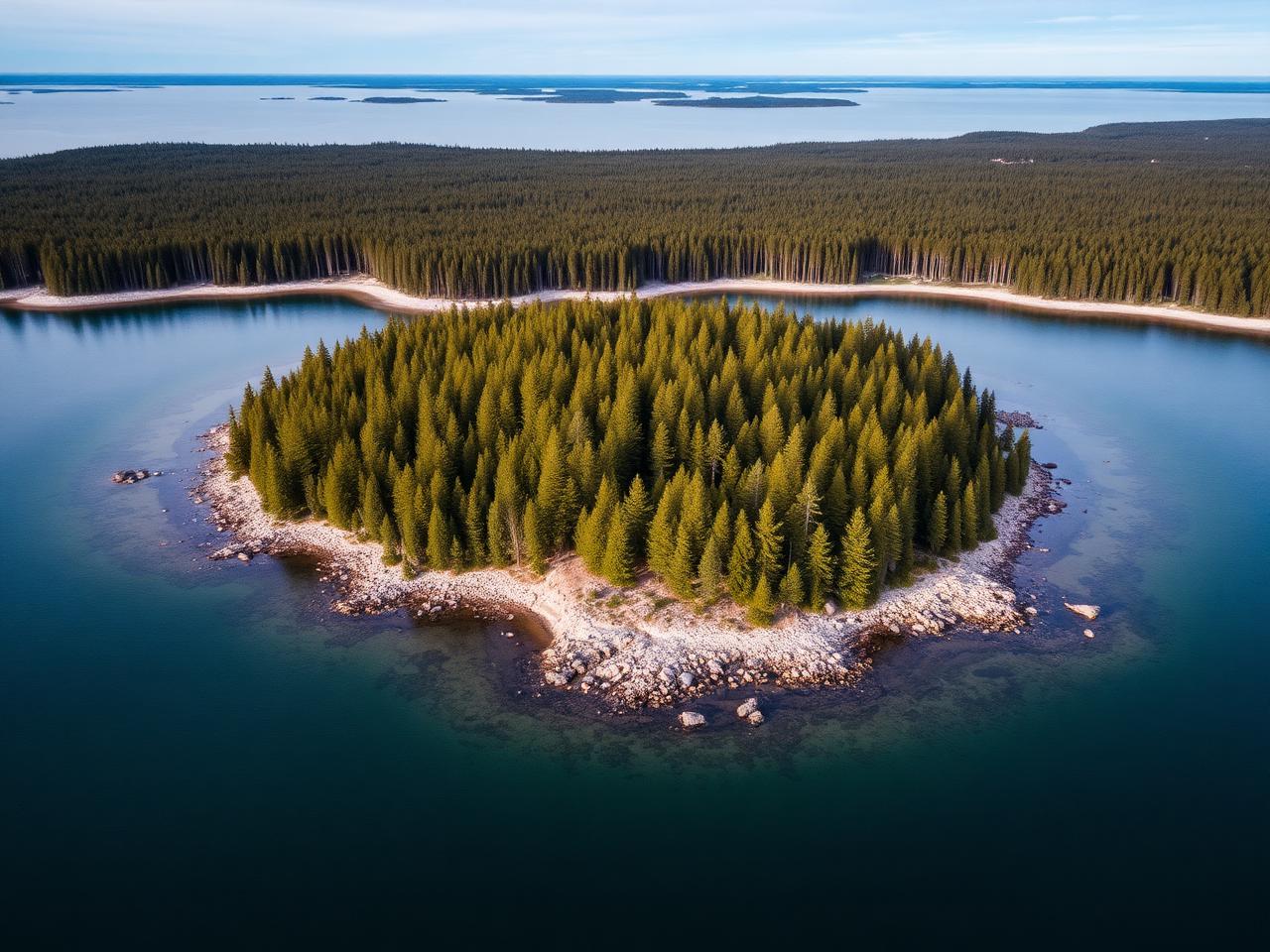
Popular private island markets in Sweden
Where buyers look
| Area | Notes |
|---|---|
| Stockholm archipelago | The premium market, with strong demand, ferry links and established summer house culture. |
| Lake Mälaren | Freshwater islands close to Stockholm with easier access and calmer water. |
| West coast near Gothenburg | Granite skerries with excellent sailing and a short but intense season. |
| Inland lakes | Vänern, Vättern and northern lakes offering larger islands at lower prices. |
Foreign ownership
- There are generally no nationality-based restrictions on purchasing Swedish property, and foreign buyers acquire regularly.
- Financing from Swedish banks can be harder for non-residents, so many purchases are made in cash.
- A Swedish personal identity or coordination number may be needed for administrative steps.
Tenure and title
- Freehold ownership is registered in the national land register and is well documented.
- Water areas adjacent to a property may be included in the title in some cases, which is unusual internationally and worth verifying.
Taxes and fees
- A stamp duty applies on registration of ownership, together with registration fees.
- Annual property charges apply to residential buildings; confirm the current basis for recreational properties.
What drives price
- Existing legal buildings and the permitted footprint
- Travel time from Stockholm or Gothenburg and the quality of mainland parking
- Shoreline protection status and any exemptions granted
- Electricity and water connections where available
- Harbour or jetty quality and shelter from prevailing winds
Development status
- Archipelago islands are frequently sold with a summer house, guest cabin, sauna and jetty.
- Undeveloped skerries exist but often have very limited or no building rights due to shoreline protection.
Climate and seasonality
- A defined summer season from late May to early September, with long daylight hours.
- Winter ice affects access and jetty design, and many houses are winterised only partially.
Infrastructure at a glance
| Service | Typical situation |
|---|---|
| Water | Drilled wells are common on larger islands; smaller properties rely on carried water and treatment systems. |
| Power | Cable connections serve many archipelago islands; solar is used on remote skerries. |
| Internet | Mobile broadband is widely available with good coverage in the archipelago. |
| Docks and moorings | Jetties are standard and regulated; ice movement in winter dictates construction methods. |
| Air access | Stockholm Arlanda and Gothenburg Landvetter, with road access to numerous mainland harbours. |
The buying process
- 1Engage a Swedish real estate agent and, for complex purchases, an independent lawyer
- 2Review the land register, planning status and shoreline protection position
- 3Confirm the legal status and permitted use of existing buildings
- 4Inspect the jetty, water supply and any electrical connection
- 5Complete the purchase contract and register title to trigger stamp duty
Currency
Transactions are typically denominated in EUR.
Related guides
Frequently asked questions
What is shoreline protection in Sweden?
It is a national rule restricting building close to water in order to protect public access and natural habitats. It significantly limits new construction on islands, which is why existing legal houses are valuable.
Does the right of public access apply to a private island?
Public access rights generally apply to undeveloped land, though not to the immediate private zone around a dwelling. In practice, remote islands see very little passing traffic.
Are Stockholm archipelago islands expensive?
Prime islands close to the city carry strong prices, while inland lake islands and more distant skerries are considerably more affordable.