Europe
Private Islands for Sale in Norway
Norway's coastline is a near-continuous chain of islands, skerries and fjord inlets stretching from the south to the Arctic. Boating culture is deeply established, coastal infrastructure is excellent, and even remote islands are usually within reach of a well-serviced mainland harbour.
The regulatory environment is distinctive. Norwegian property law includes concession requirements for certain acquisitions, and in some municipalities properties carry residence obligations. These rules exist to prevent depopulation of coastal communities and must be checked for each specific property.
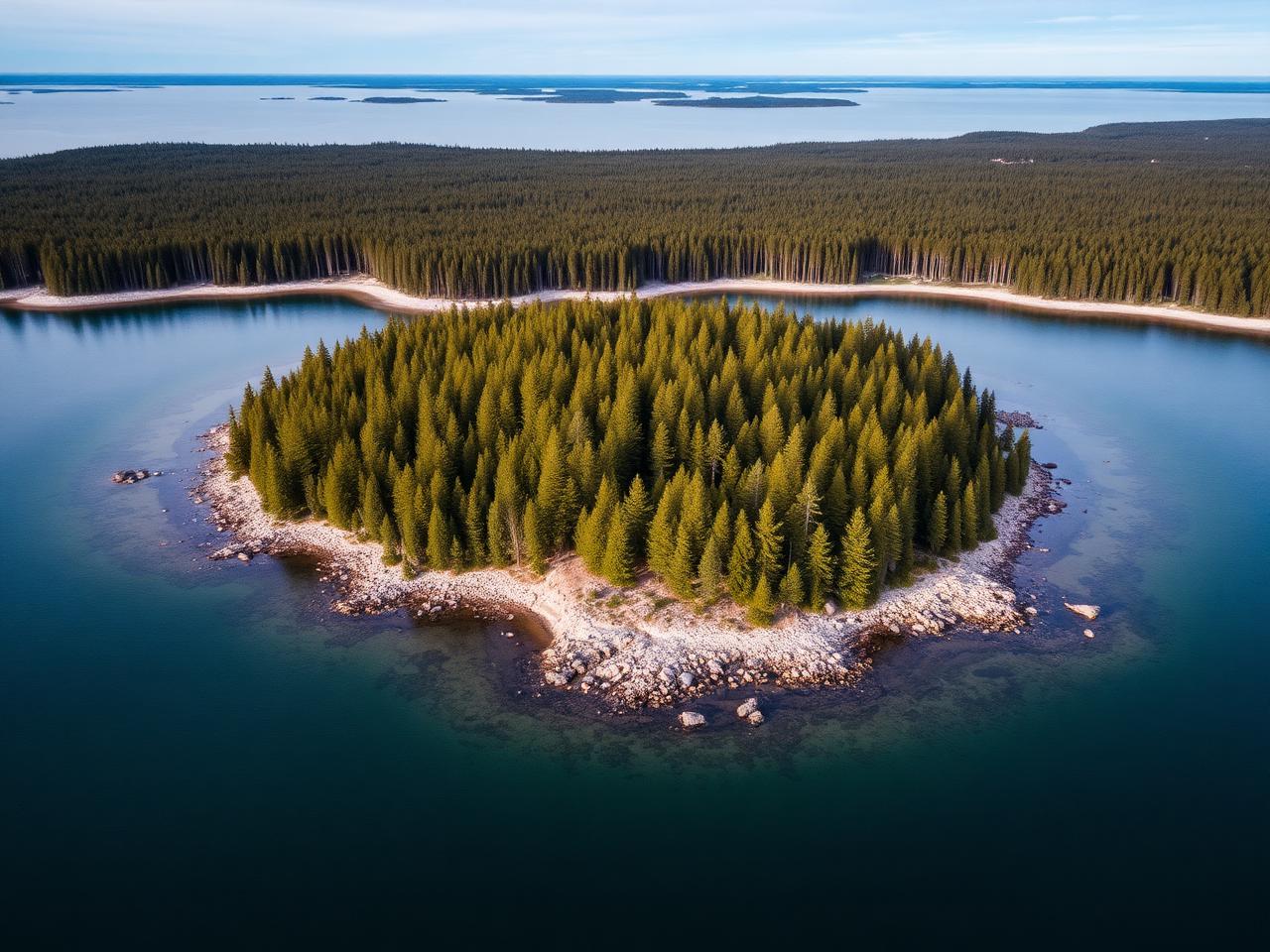
Popular private island markets in Norway
Where buyers look
| Area | Notes |
|---|---|
| Southern coast | The Sørlandet archipelago, with sheltered skerries and a strong summer market. |
| Western fjords | Islands within dramatic fjord systems near Bergen and Ålesund. |
| Trøndelag coast | Quieter waters with working fishing communities and lower prices. |
| Northern Norway | Remote Arctic islands with exceptional landscapes and short seasons. |
Foreign ownership
- Foreign nationals may generally acquire Norwegian property, but concession rules can apply depending on the property type and location.
- Some coastal municipalities attach a residence obligation to housing, which restricts pure holiday use.
- The specific status of a property should be confirmed with the municipality before an offer is made.
Tenure and title
- Freehold ownership registered in the national land register is standard and reliable.
- Sea areas and the shoreline are subject to public rules governing structures and access.
Taxes and fees
- A document fee applies on registration of freehold transfers, along with registration charges.
- Municipal property tax varies by location and should be confirmed locally.
What drives price
- Concession or residence obligation status attached to the property
- Existing buildings, boathouses and quay structures
- Shelter from open sea and the quality of the harbour
- Distance from a mainland road, quay and airport
- Electricity connection, which exists on many coastal islands
Development status
- Many coastal islands include a house, a traditional boathouse and a quay, often connected to grid power.
- Undeveloped skerries are available, though building permission near the shoreline is restricted.
Climate and seasonality
- Milder than the latitude suggests along the coast, thanks to the North Atlantic current, but wet and windy.
- Northern locations have very short summers and long winters, with limited daylight in midwinter.
Infrastructure at a glance
| Service | Typical situation |
|---|---|
| Water | Mainland water connections exist in some locations; elsewhere wells and treated collected water are used. |
| Power | Submarine cable connections are widespread along the developed coast. |
| Internet | Coverage is good, supported by strong national infrastructure and satellite options in remote areas. |
| Docks and moorings | Quays and boathouses are traditional and regulated; construction must withstand storms and ice. |
| Air access | An extensive domestic airport network makes even northern islands reachable within a day. |
The buying process
- 1Check concession requirements and any residence obligation with the municipality
- 2Review the land register record and property boundaries
- 3Assess buildings, quay condition and utility connections
- 4Confirm planning status for any intended works
- 5Complete the purchase and register the transfer
Currency
Transactions are typically denominated in EUR.
Related guides
Frequently asked questions
What is a residence obligation?
In some Norwegian municipalities, certain residential properties must be used as a permanent home rather than a holiday house. It is property-specific and must be checked before purchase.
Are Norwegian islands connected to the electricity grid?
Many coastal islands are, thanks to extensive submarine cabling. This is a significant practical advantage over most island markets.
Is northern Norway realistic for private ownership?
It is possible and prices are lower, but short seasons, weather and travel time mean it suits buyers with a genuine interest in Arctic conditions.