Under $1,000,000 USD
Private Islands for Sale Under $1 Million
Under $1 million the market widens meaningfully. This budget can reach larger acreage, better access or a modest existing building — though rarely all three at once. Buyers at this level generally have to decide which single attribute matters most to them.
It is also the point at which a serviceable existing cottage, cabin or caretaker structure becomes a realistic expectation in certain markets, particularly in North America and northern Europe.
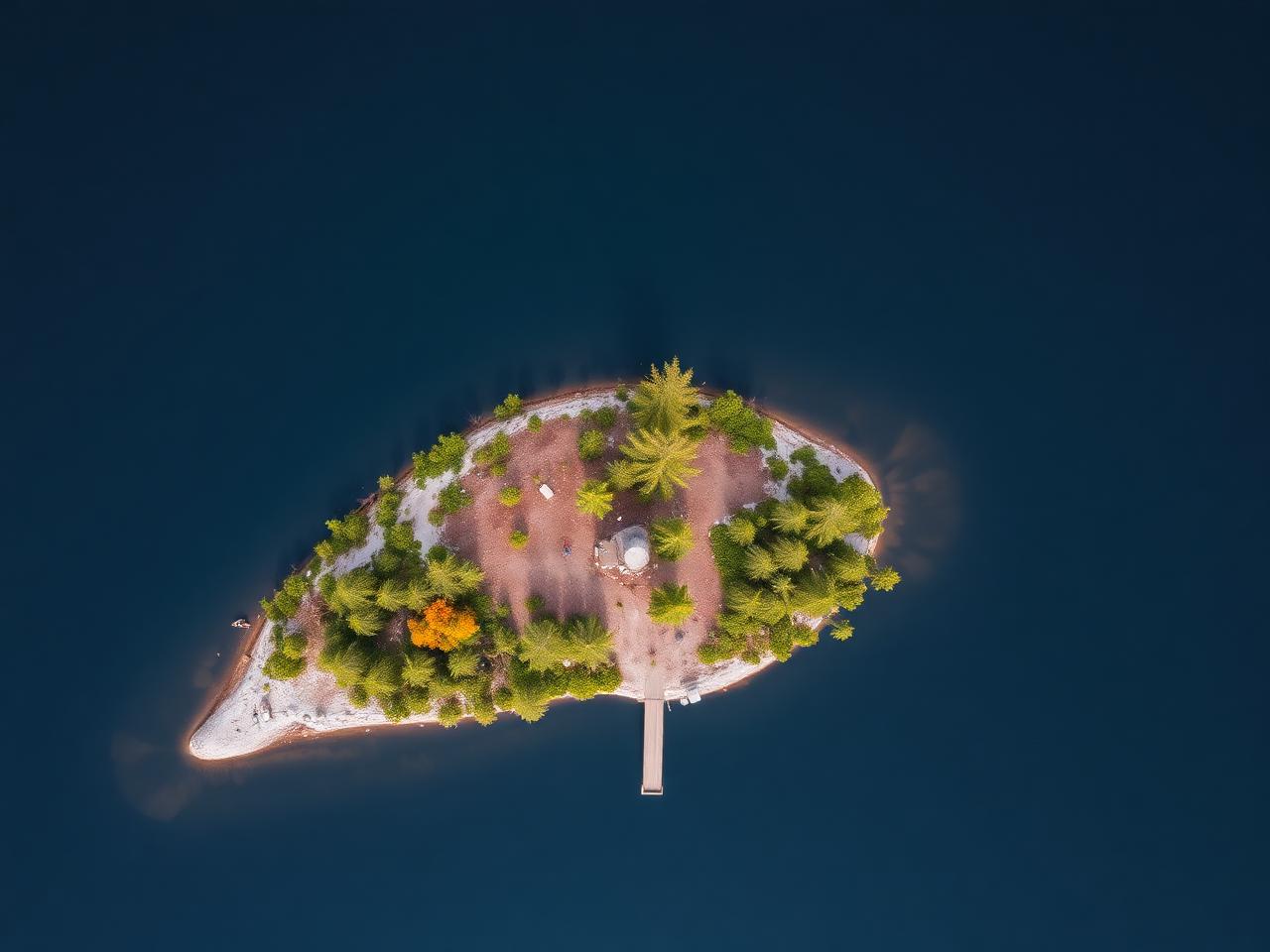
What a $1 Million Island Budget Can Actually Buy
A budget of up to $1 million is large enough to open several genuine private-island markets, but it does not buy the same product everywhere. In northern lake and coastal markets, the budget can reach a developed seasonal island with an existing cottage, dock and established mainland access. In tropical markets, the same budget is more likely to buy land, privacy and location while leaving the buyer responsible for power, water, wastewater and marine infrastructure.
That difference matters more than acreage. A smaller island with legal buildings, reliable boat access and working utilities can be far easier to own than a much larger undeveloped island that requires every system to be designed from scratch.
The first decision is therefore not “How many acres can I get?” It is “Do I want an island I can use soon, or a development project?”
Three Main Options Under $1 Million
1. Developed freshwater or northern coastal islands
Canada, the northern United States and parts of Nordic Europe are practical markets to research if immediate use matters. These markets often have established cabin or cottage traditions, short boat crossings and existing structures.
What to verify:
- whether the buildings are legally established;
- whether the dock or boathouse can be repaired or replaced;
- whether power is connected by cable or the island is fully off-grid;
- the legal status of mainland parking, boat storage and access;
- septic, wastewater and shoreline restrictions.
A developed seasonal property can be more economical than a cheaper bare island because expensive work has already been completed.
2. Undeveloped tropical islands
In the Caribbean, Central America and parts of the South Pacific, a sub-$1 million budget can reach undeveloped islands or island parcels with strong natural appeal. The trade-off is infrastructure.
Before treating the asking price as the project budget, establish:
- how construction materials reach the island;
- whether a legal dock or landing can be built;
- the likely water solution;
- the power system;
- wastewater treatment requirements;
- environmental and coastal restrictions;
- what ownership interest is actually being transferred.
The purchase price is only the first capital requirement.
3. Partially developed or older properties
A third category sits between raw land and a turnkey island. These properties may have an older house, caretaker accommodation, a basic dock, a generator or preliminary permits.
This can be attractive because some of the hardest work has been done, but only if the existing improvements are lawful and usable. An old structure that cannot be legally rebuilt may have far less value than it appears to have in photographs.
Where Buyers Commonly Research at This Budget
Canada and the northern United States
Freshwater islands are an established route to developed ownership below the ultra-luxury segment. Ontario, Quebec, Nova Scotia, Maine, Michigan and other lake districts include island properties with cottages or cabins.
The main constraints are seasonality, dock and shoreline rules, septic systems and mainland access.
Finland and Sweden
Nordic markets are attractive to buyers who value privacy, freshwater or Baltic archipelago settings and a strong cabin culture. Existing legal buildings are particularly important because shoreline development rules can limit new construction.
Central America
Belize, Panama and Nicaragua attract buyers looking for tropical settings at lower land prices than the prime Caribbean. Title quality, marine access, environmental restrictions and the distinction between registered title and other forms of tenure require careful local diligence.
South Pacific and other remote markets
Some opportunities appear below $1 million, but legal structures and access can differ significantly by jurisdiction. A lower acquisition price is not automatically an advantage if the property is difficult to finance, build, service or later resell.
Purchase Price vs. Total Project Cost
The most important budget test is the all-in cost to reach the standard you actually want.
For a developed island, that may mean:
- purchase and closing costs;
- survey and legal review;
- repairs to the house, dock and utilities;
- a boat and mainland storage;
- first-year insurance and maintenance.
For an undeveloped island, add:
- planning and environmental work;
- geotechnical, septic and water investigations;
- dock, jetty or landing infrastructure;
- solar, batteries and backup generation;
- freshwater production or storage;
- wastewater treatment;
- temporary construction accommodation;
- barging and contractor mobilisation.
A buyer comparing two islands should compare those complete cost paths, not only the asking prices.
What Makes an Island Under $1 Million a Strong Buy
Price alone is not the signal. A stronger opportunity usually has several of the following:
- clear and transferable title or tenure;
- practical access from a usable mainland base;
- legal existing structures or documented development rights;
- a sheltered landing or feasible marine-access plan;
- a proven water solution;
- a power system that matches intended use;
- a manageable maintenance profile;
- a location with an established resale market.
An island becomes expensive when one missing piece forces a major engineering or legal solution.
Due Diligence Before Making an Offer
Before committing funds, confirm the transaction with professionals in the jurisdiction. A useful checklist includes:
- 1Verify title, boundaries and any rights affecting the shoreline.
- 2Confirm who owns or controls the seabed or water area around the island.
- 3Check permitted use and development rights.
- 4Verify every existing structure, dock and utility installation.
- 5Establish the mainland access arrangement in writing.
- 6Test water, septic and power assumptions.
- 7Estimate annual caretaking, transport, insurance and maintenance.
- 8Price the first three years of capital work, not only year one.
The Practical Way to Search
Start with intended use, not geography. A buyer who wants a ready-to-use seasonal retreat should search very differently from someone willing to build a tropical compound over several years.
Send your preferred regions, total acquisition budget, intended use, tolerance for seasonal access and whether you want developed or undeveloped property. That produces a much more useful search than browsing islands by photograph alone.
Countries to consider
Matching island types
Frequently asked questions
Can you buy a private island for under $1 million?
Islands can appear below $1 million. Typical options include developed seasonal islands in northern markets, undeveloped tropical islands and partially developed properties. Current availability varies by market and should be verified against live listings.
Is $1 million enough for a tropical private island?
It can be enough for undeveloped tropical land or a simpler partially developed property in some markets. A finished island with high-end infrastructure is less likely at this budget.
Is a developed island usually better value than an undeveloped one?
Not always, but existing legal structures, docks and utilities can represent a large amount of completed work. Compare total cost to usable condition, not just land price.
What costs sit outside the purchase price?
Legal work, survey, taxes or fees, marine access, boats, power, water, wastewater, insurance, caretaking and transport can all be material.
Where should I look first with a budget below $1 million?
Buyers commonly research Canada, the northern United States, Finland, Sweden, Central America and selected South Pacific markets, depending on whether they want developed or undeveloped property.
Should I rely on an island listing’s description of buildability?
No. Confirm planning, environmental, shoreline and building rights independently with qualified local professionals before making an unconditional commitment.