South America
Private Islands for Sale in Brazil
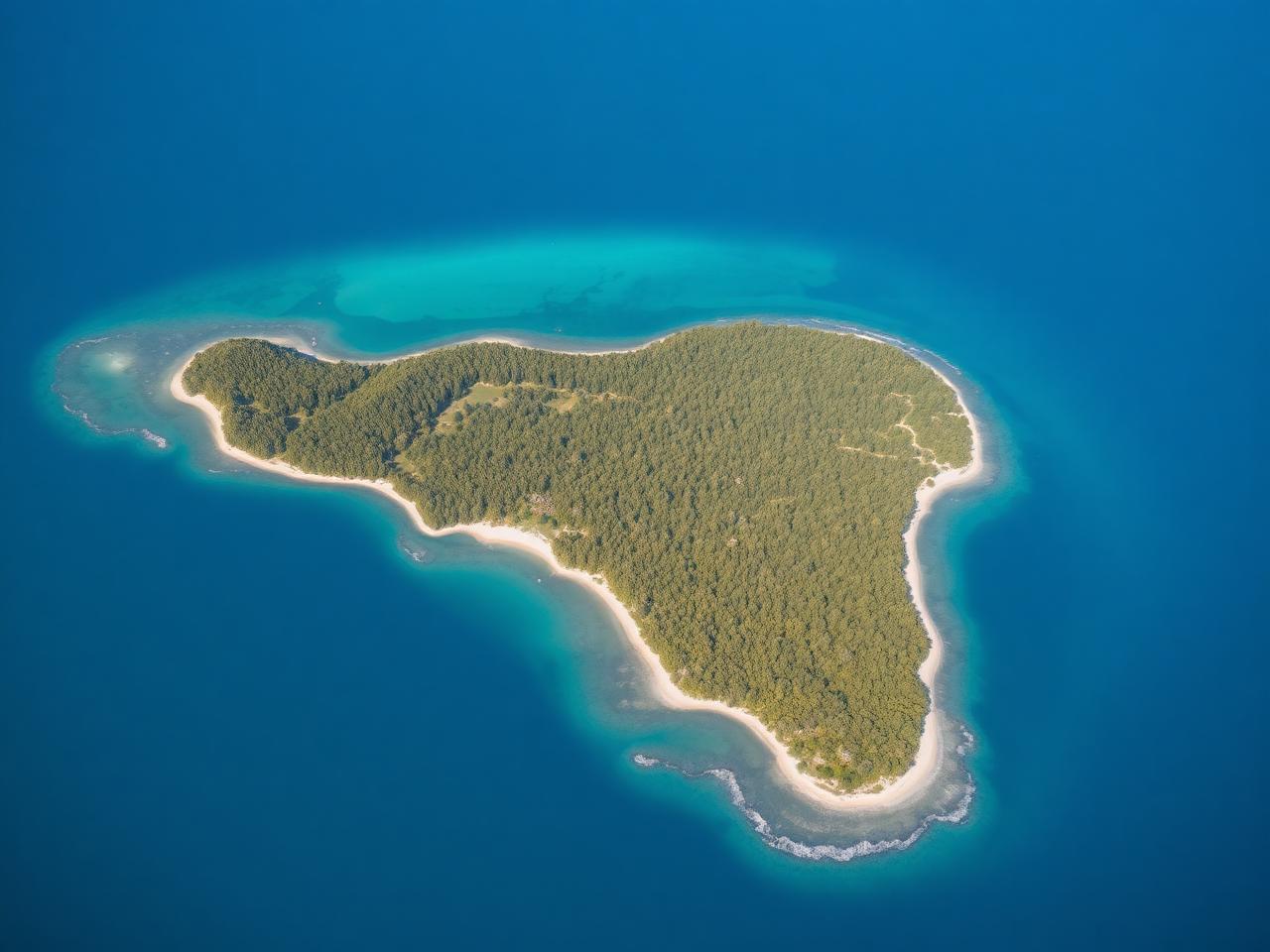
Brazil's coastline produces a steady trickle of private island opportunities, particularly in the bays around Rio de Janeiro, along the Costa Verde and in Bahia. Islands here tend to be forested, hilly and considerably larger than Caribbean cays, and they sit close to major domestic airports.
Two features shape the market. Environmental licensing governs almost any construction or vegetation clearing, and beaches are generally public property, which means privacy comes from distance and topography rather than from legal exclusion.
Where buyers look
| Area | Notes |
|---|---|
| Angra dos Reis and Costa Verde | The most active island area, within a few hours of Rio de Janeiro by road and boat. |
| Bahia | Warm-water islands near Salvador and the southern Bahian coast, often larger and less developed. |
| Santa Catarina | Cooler southern waters with strong local demand and established marinas. |
| Amazon and river systems | Very large river islands with limited access and specific environmental frameworks. |
Foreign ownership
- Foreign individuals can generally acquire urban and many rural properties in Brazil, subject to registration requirements.
- Specific rules apply to rural land, coastal zones and areas designated as strategic, and these should be checked for the particular parcel.
- Buyers require a Brazilian taxpayer registration to complete a transaction.
Tenure and title
- Freehold ownership is registered at the local property registry office, and the registry record is the primary evidence of title.
- Terrain de marinha and other coastal-zone designations can attach obligations to shoreline property.
Taxes and fees
- A municipal property transfer tax, notary and registry fees apply on purchase, with annual property tax thereafter.
- Rates vary by municipality and property classification, so obtain a specific quotation before budgeting.
What drives price
- Proximity to a marina and a major airport
- Buildable, licensable area relative to protected Atlantic forest
- Existing licensed structures and their documentation
- Water availability from springs or wells
- Marine access, anchorage quality and exposure to swell
Development status
- Most islands are undeveloped and forested, with licensing rather than construction cost as the main constraint.
- Developed islands near Angra dos Reis exist and command significant premiums for licensed houses and docks.
Climate and seasonality
- Tropical to subtropical with high rainfall in coastal forest areas; Brazil is largely outside the hurricane belt.
- Summer humidity and heavy rain influence construction scheduling and building design.
Infrastructure at a glance
| Service | Typical situation |
|---|---|
| Water | Springs and wells are often viable given high rainfall, subject to testing and permitting. |
| Power | Solar with battery storage is standard; some near-shore islands have mainland cable connections. |
| Internet | Mobile coverage is good near populated bays, and satellite service covers remote locations. |
| Docks and moorings | Piers and moorings require environmental and maritime authority approval. |
| Air access | Rio de Janeiro, São Paulo and Salvador provide international access, with short road and boat transfers to island areas. |
The buying process
- 1Obtain a Brazilian taxpayer number and appoint a local attorney
- 2Review the registry record, chain of title and any liens or claims
- 3Confirm environmental licensing status and permitted construction
- 4Verify structures, occupancy and any municipal obligations
- 5Execute the deed before a notary and register the transfer
Currency
Transactions are typically denominated in USD.
Related guides
Frequently asked questions
Are beaches on a Brazilian island private?
Beaches are generally public property in Brazil. Owners control the land above the shoreline, and practical privacy comes from distance rather than exclusion.
How restrictive is environmental licensing?
It is a central part of any project. Atlantic forest protection is significant, and construction typically requires licences that should be investigated before purchase.
Is Brazil affected by hurricanes?
Brazil lies outside the main tropical cyclone belts, which is a meaningful advantage for construction and insurance compared with the Caribbean.