South America
Private Islands for Sale in Chile
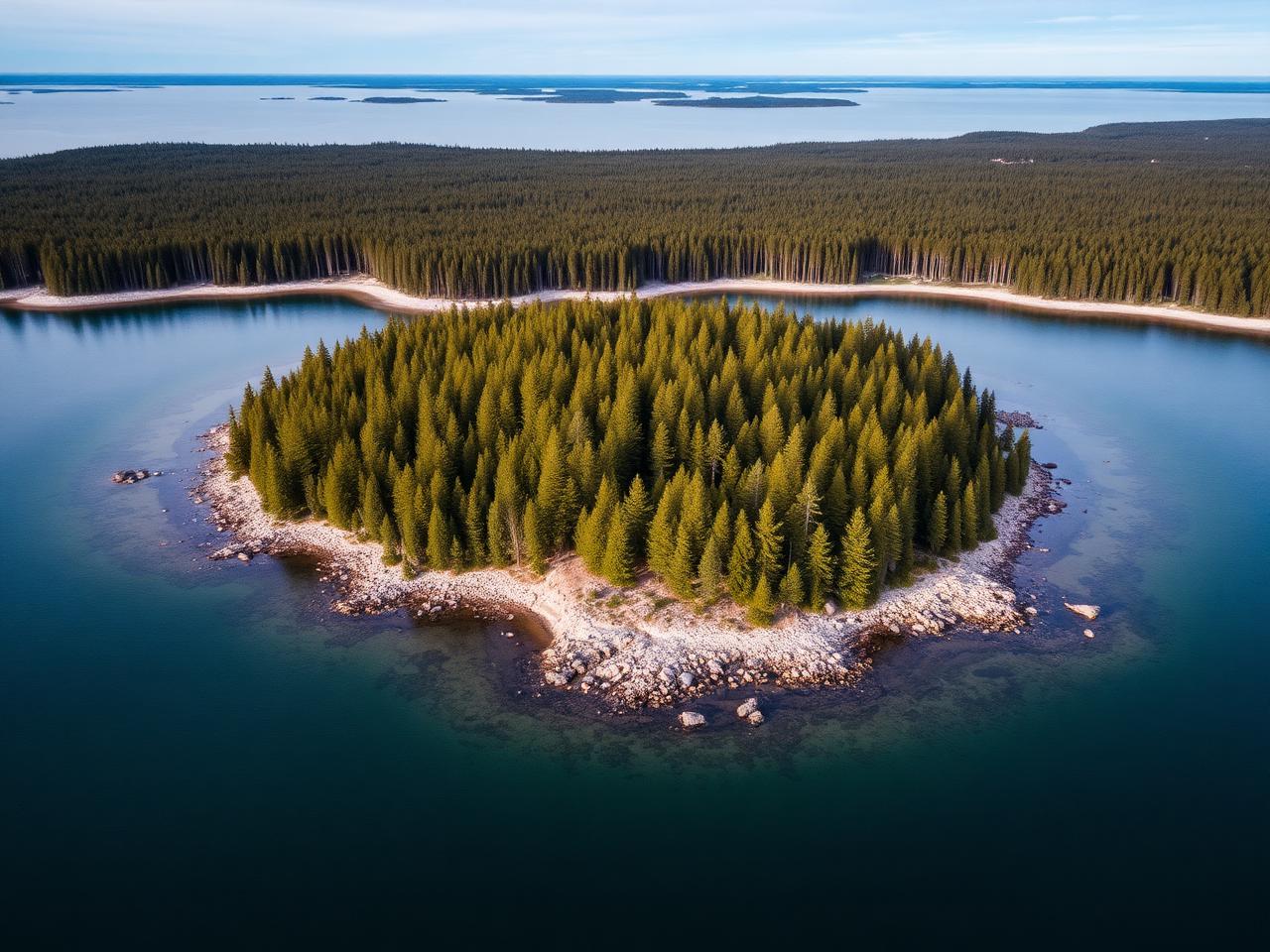
Chile is a market for buyers who want wilderness at scale. The southern channels and fjords contain a vast number of islands, many of them forested, mountainous and effectively untouched, while the lake district around Puerto Varas and Villarrica offers smaller, more accessible freshwater options.
Prices per hectare can be strikingly low, but the practical demands are high. Weather windows, transport distances, limited local trades and long supply chains make Chilean island projects an exercise in logistics before they are an exercise in architecture.
Where buyers look
| Area | Notes |
|---|---|
| Lake district | Islands on Lake Llanquihue, Ranco and Villarrica with road-accessible mainland bases. |
| Chiloé archipelago | Established communities, ferry links and a distinctive local building culture. |
| Aysén and Patagonian channels | Remote fjord islands of substantial size with minimal infrastructure. |
| Central coast | Occasional near-shore islands within reach of Santiago and Valparaíso. |
Foreign ownership
- Foreign nationals can generally own property in Chile, and the process is administratively straightforward compared with many markets.
- Additional requirements can apply in border areas and certain strategic zones.
- A Chilean tax identification number is required to complete a transaction.
Tenure and title
- Freehold ownership is registered with the local conservator of real estate, which holds the definitive record.
- Coastal zone and maritime concessions are administered separately and are relevant to any dock or shoreline structure.
Taxes and fees
- Notary and registry fees apply on purchase, and annual territorial tax applies to most properties.
- Transaction and holding costs are moderate by regional standards but should be confirmed for the specific property.
What drives price
- Distance from a regional airport and the reliability of boat access
- Whether the island is in sheltered water or exposed channel conditions
- Availability of fresh water and existing tracks or landings
- Forest protection status and permitted clearing
- Total area and how much of it is usable given terrain
Development status
- The overwhelming majority of Chilean islands are undeveloped, with no services and no road access.
- Lake district islands occasionally include a cabin and jetty, and these are the most immediately usable options.
Climate and seasonality
- Cool temperate in the south, with high rainfall, strong winds and short construction windows.
- The lake district has a milder summer season that supports comfortable extended stays.
Infrastructure at a glance
| Service | Typical situation |
|---|---|
| Water | High rainfall in the south means streams and wells are often viable, subject to testing. |
| Power | Off-grid solar, micro-hydro in some locations, and generator backup. |
| Internet | Satellite service is the practical solution across most of southern Chile. |
| Docks and moorings | Jetties and landings require maritime authority approval; tidal range in the channels is significant. |
| Air access | Santiago is the international gateway, with regional flights to Puerto Montt, Balmaceda and Punta Arenas. |
The buying process
- 1Obtain a Chilean tax number and appoint a local lawyer
- 2Review the conservator record and confirm boundaries by survey
- 3Assess access, anchorage and any maritime concession requirements
- 4Check forest and environmental protections applying to the land
- 5Sign before a notary and register the transfer with the conservator
Currency
Transactions are typically denominated in USD.
Related guides
Frequently asked questions
How large are Chilean islands typically?
Southern channel islands can extend to hundreds or thousands of hectares, though terrain and forest cover mean only a small portion is usually usable.
Is construction difficult in Patagonia?
Yes. Weather, transport distance and limited local trades extend timelines, and most projects rely on prefabrication and phased delivery.
Is Chile a stable market for foreign buyers?
Chile has a well-organised property registration system and a straightforward process for foreign purchasers, which is one of its main attractions.