Island type
Undeveloped Private Islands for Sale
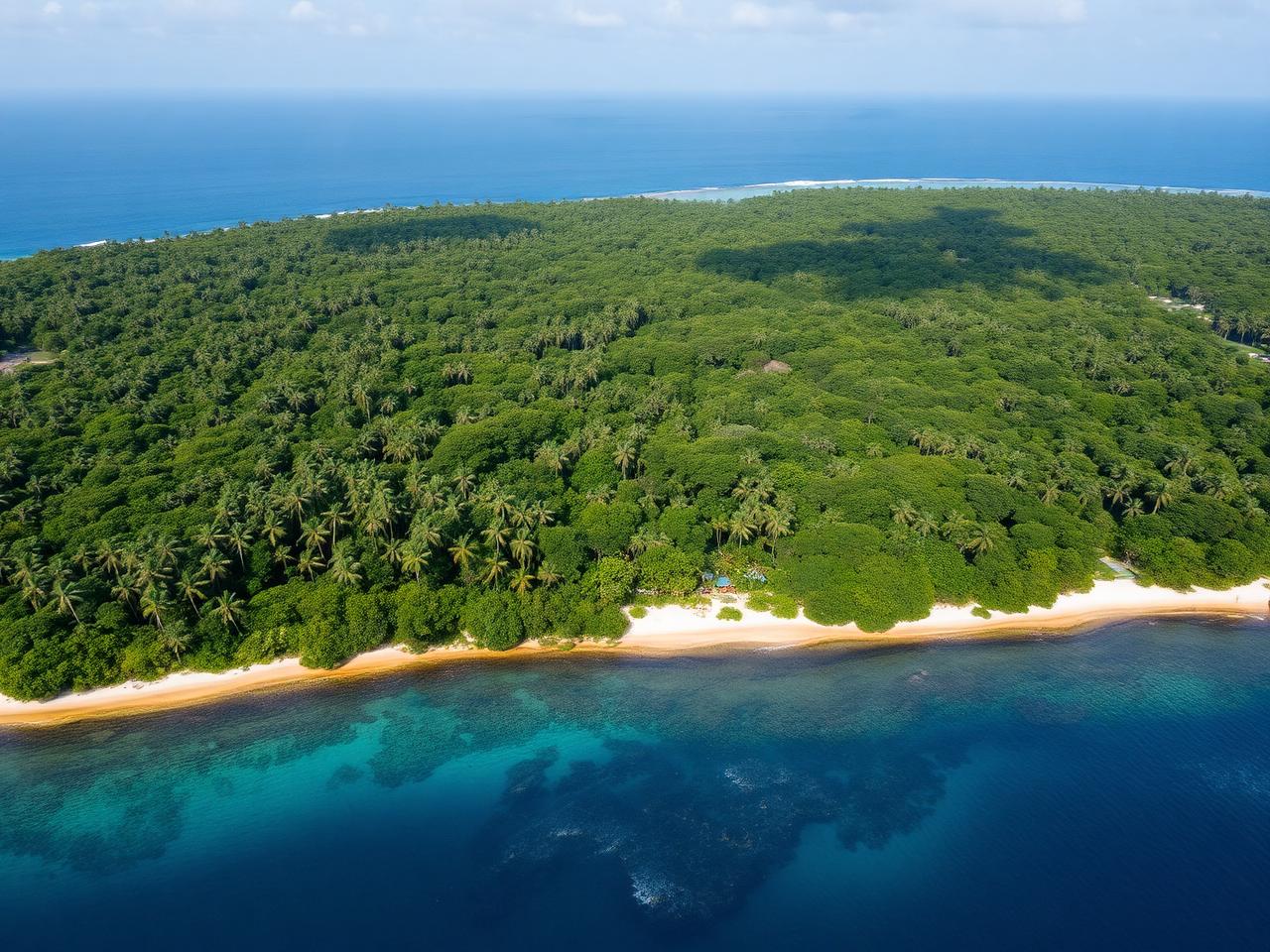
Undeveloped islands make up the largest share of global inventory. They appeal because the price per acre looks attractive and because the buyer controls the entire design. The risk is that raw land tells you very little about what can actually be built.
The correct sequence for this category is to test feasibility before agreeing terms: survey, soil and water testing, planning enquiry and a marine access assessment. A conditional offer that allows for that work is standard practice.
Who this suits
- Buyers with a long time horizon and appetite for a construction project
- Owners who want a bespoke design rather than an inherited one
- Investors acquiring land ahead of a permitted development plan
- Conservation-minded buyers intending minimal intervention
Where to find them
- Central America and the Caribbean, where cays regularly trade undeveloped
- Canada, Alaska and Maine for temperate coastal and lake land
- Fiji, Vanuatu and the wider South Pacific
- Brazil and Chile, where holdings are often large and forested
- Nordic archipelagos, where small forested islets are common
Key considerations
- Establish buildable upland area separately from total acreage
- Make the purchase conditional on planning enquiries where the law allows
- Test water availability and soil conditions before design
- Price barge logistics and material transport, which frequently exceed expectations
- Confirm boundaries by survey, since historic descriptions can be imprecise
Infrastructure
- Temporary site access, landing and storage during construction
- Independent power and water systems designed for the final build
- Wastewater treatment appropriate to soil and water table
- Permanent dock or landing built early, since it enables everything else
- Communications for site management and security
Ownership notes
- Title quality varies most in this category, so legal review is critical.
- Environmental designations can restrict clearing, filling and construction footprint.
- Some jurisdictions attach development obligations or timelines to raw-land purchases.
Countries to consider
Related guides
Frequently asked questions
How much does it cost to develop an undeveloped island?
It varies enormously with location, logistics and design ambition. What is consistent is that remote construction costs materially more than an equivalent mainland build, and transport is a major line item.
Should I buy before confirming planning permission?
Wherever possible, make the purchase conditional on planning and technical enquiries. Buying first and asking later is the most common expensive mistake in this category.