Europe
Private Islands for Sale in Finland
Finland has one of the largest supplies of small private islands anywhere, spread across tens of thousands of lakes and the Baltic archipelago. Island ownership is a normal part of Finnish life rather than a luxury niche, and many properties come with a simple cabin, a sauna and a jetty already in place.
Prices are correspondingly modest by international standards. The constraints are the short summer season, shoreline building regulations that limit new construction, and winter access that depends on ice conditions.
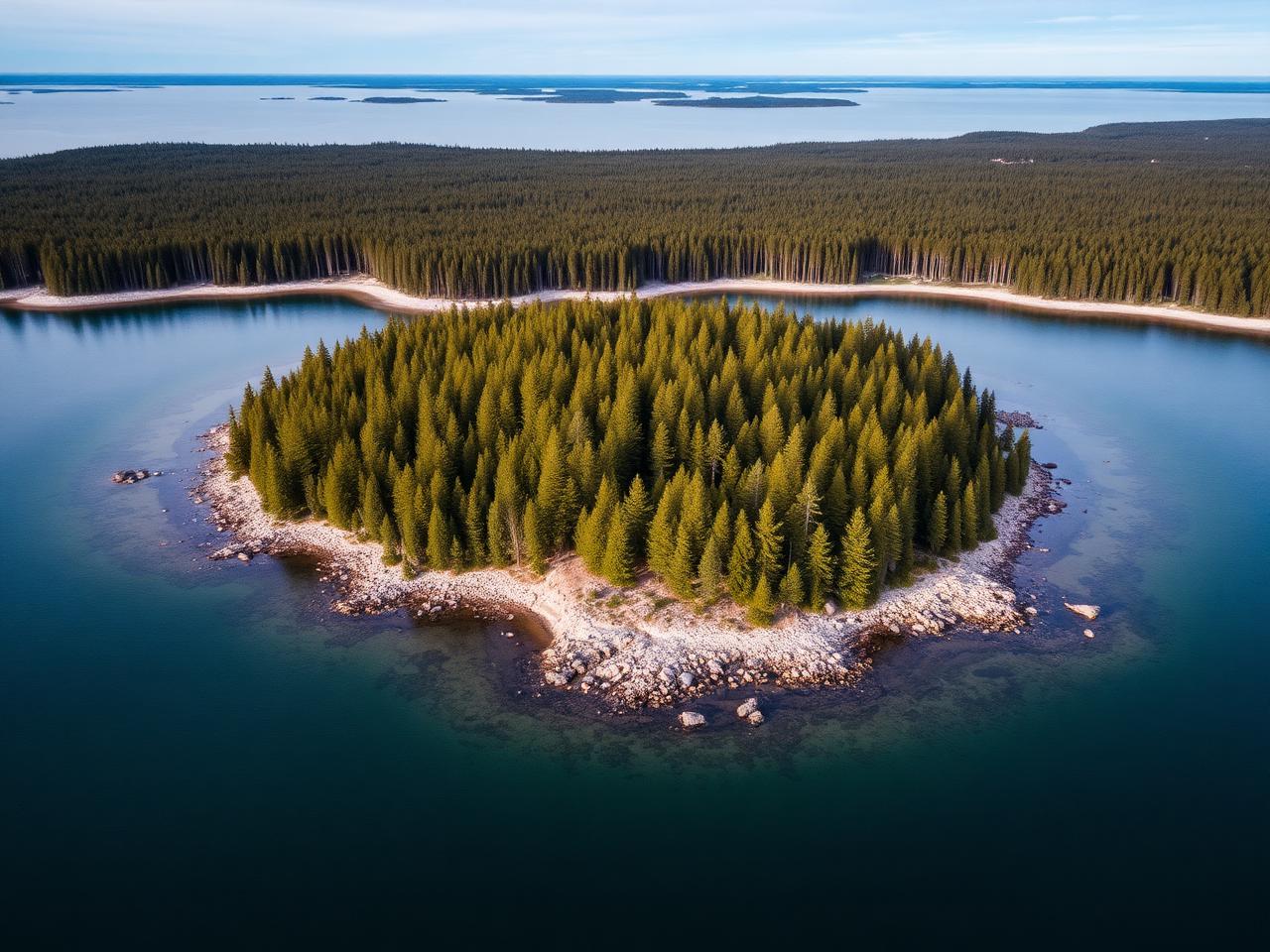
Popular private island markets in Finland
Where buyers look
| Area | Notes |
|---|---|
| Finnish Lakeland | Saimaa and the central lake district, with thousands of forested islands and short crossings. |
| Turku archipelago | A dense Baltic archipelago with ferry connections and established summer communities. |
| Åland region | Distinctive autonomous archipelago with its own rules on property acquisition. |
| Northern lakes | Remote options with long summer daylight and minimal neighbours. |
Foreign ownership
- EU and EEA nationals can generally purchase Finnish property without special permission.
- Buyers from outside the EU and EEA may require a permit for real estate acquisition, and rules have been tightened in recent years.
- Åland has its own separate regime governing property acquisition, which is more restrictive.
Tenure and title
- Freehold ownership is registered in the national land information system, which is accurate and easily searched.
- Shoreline building rights are allocated through municipal planning and are a defined, tradeable characteristic of a property.
Taxes and fees
- A property transfer tax applies on purchase, alongside registration fees and any legal costs.
- Annual real estate tax is levied municipally and is generally modest for recreational properties.
What drives price
- Existing cabin and sauna, and whether they are legally permitted
- Distance from a mainland road and parking point
- Shoreline length and building rights allocated to the property
- Electricity connection versus off-grid systems
- Water depth at the shore for jetty and boat access
Development status
- Many islands come with a modest summer cabin, a sauna and a boat shelter.
- Undeveloped forested islets are also common and are usually purchased for private recreational use.
Climate and seasonality
- Long, bright summers with a season running roughly from May to September for comfortable use.
- Winters are cold, lakes freeze, and access shifts to ice roads or snowmobiles where conditions allow.
Infrastructure at a glance
| Service | Typical situation |
|---|---|
| Water | Wells are possible on larger islands; smaller properties use lake water with treatment and carried drinking water. |
| Power | Cable connections exist in many lake areas; solar and generators are used elsewhere. |
| Internet | Mobile broadband coverage is strong across much of the country, even in rural areas. |
| Docks and moorings | Jetties are common and are subject to municipal and environmental rules, with ice movement a key design factor. |
| Air access | Helsinki is the main gateway, with regional airports and good road connections to lake districts. |
The buying process
- 1Confirm whether a permit is required for your nationality before making an offer
- 2Review the land information system record and municipal shoreline plan
- 3Verify building rights and the legal status of existing structures
- 4Check access, parking on the mainland and jetty condition
- 5Complete the transfer and register ownership
Currency
Transactions are typically denominated in EUR.
Related guides
Frequently asked questions
Why are Finnish islands affordable?
Supply is exceptionally large, the season is short, and island cabins are a mainstream part of the domestic market rather than a luxury product.
Can non-EU buyers purchase in Finland?
A permit may be required for buyers from outside the EU and EEA, and Åland applies its own stricter rules. Confirm the current position before committing.
Can new buildings be added?
Shoreline construction is regulated through municipal planning, and building rights are specific to each property. Check what rights exist before assuming expansion is possible.