Northern Europe
Private Islands for Sale in Scandinavia
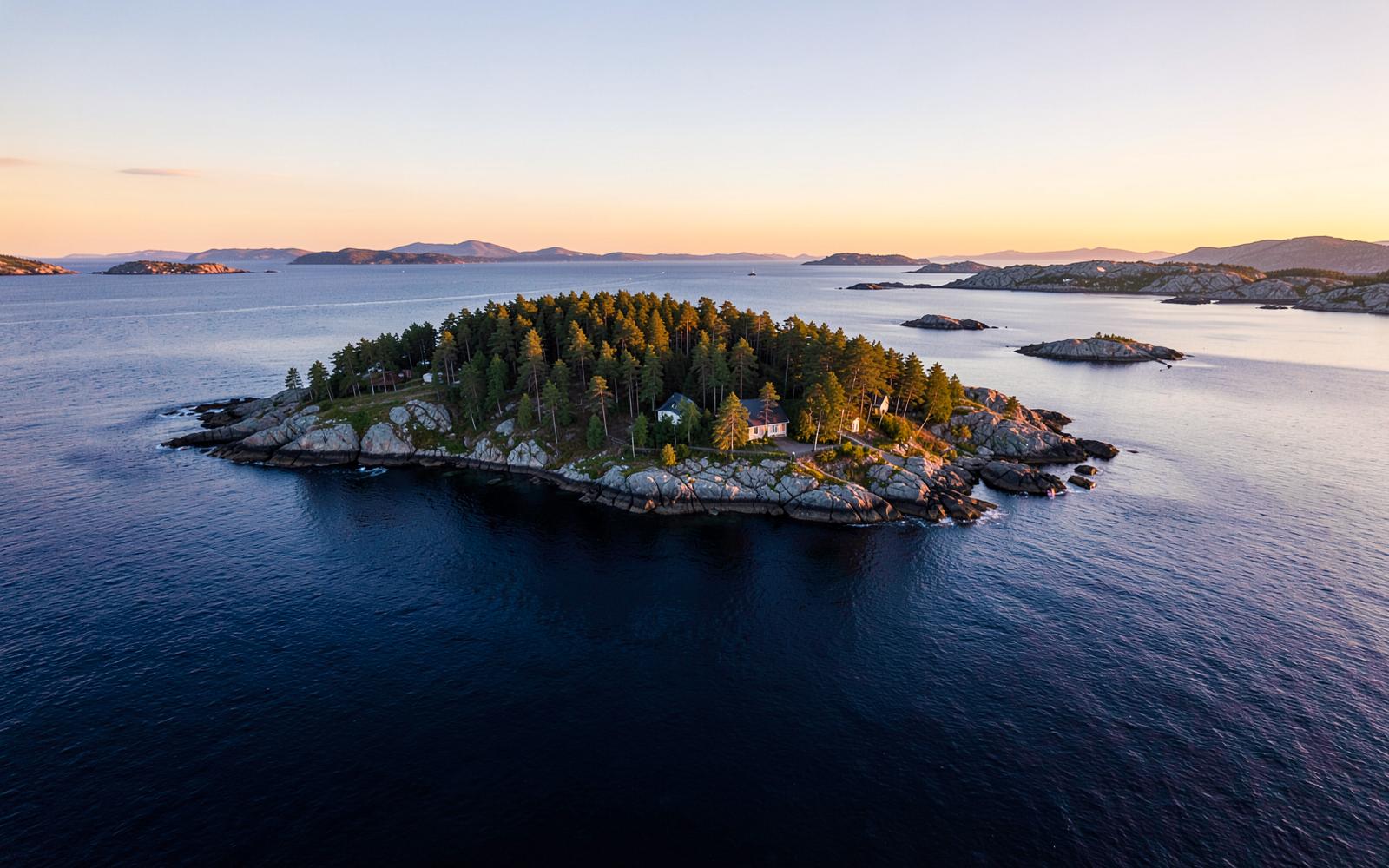
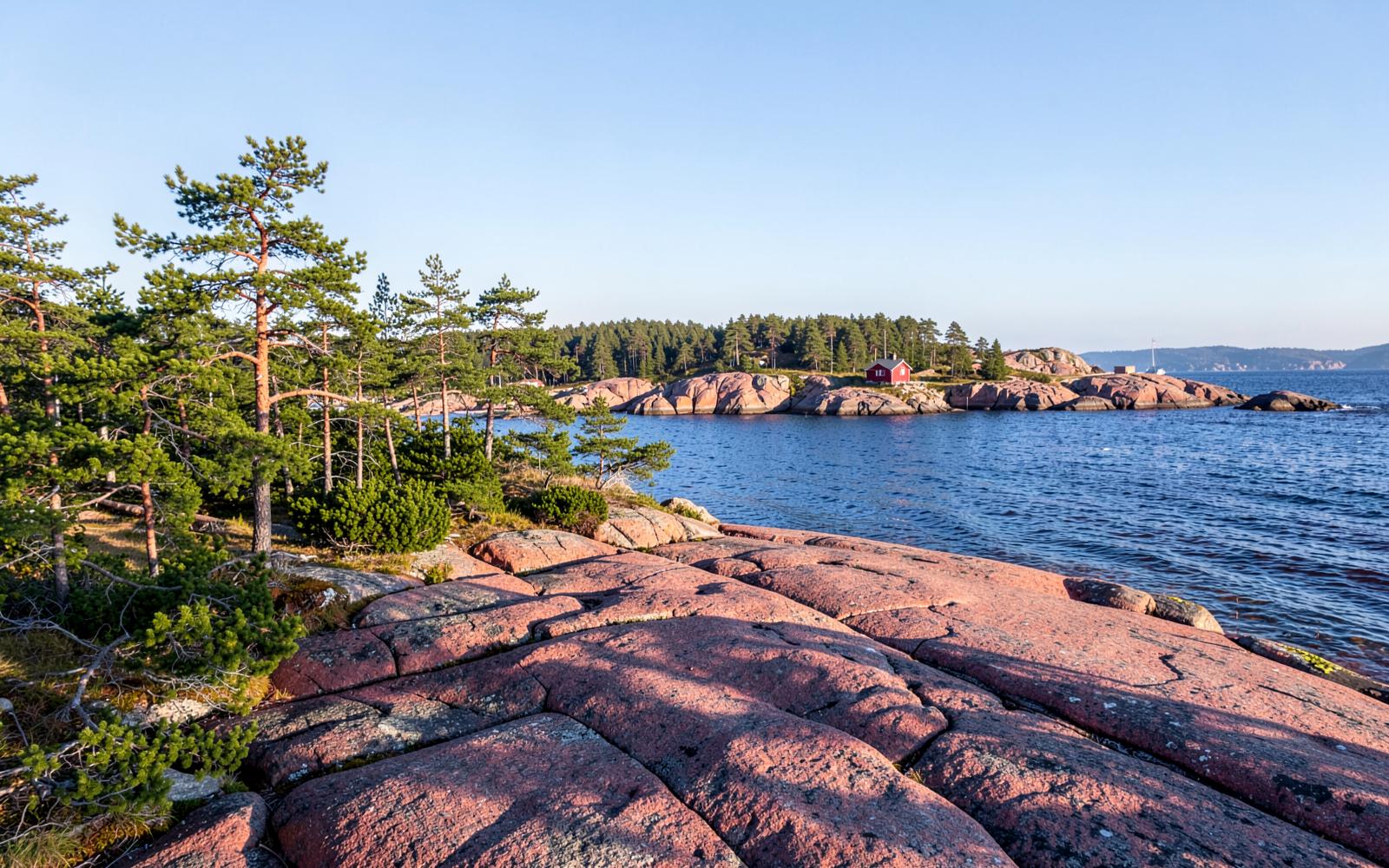
Finland, Sweden and Norway together hold one of the largest concentrations of privately owned islands in the world — freshwater in the interior, granite skerries along the Baltic, and steep rocky holdings down the Norwegian coast.
Scandinavia is the part of Europe where island ownership is ordinary rather than exceptional. Cabin culture, long shorelines and a legal tradition of clear freehold title mean islands change hands as normal recreational property, usually small, usually seasonal, and frequently without services of any kind.
That is the honest framing to start from. These are not resort assets. They are forested rock and water, and the buyers who do well here are the ones who value quietness and self-sufficiency over infrastructure. We do not publish speculative listings or market averages — this page explains how the region works so you can decide which part of it to pursue.
The three national markets
Finland
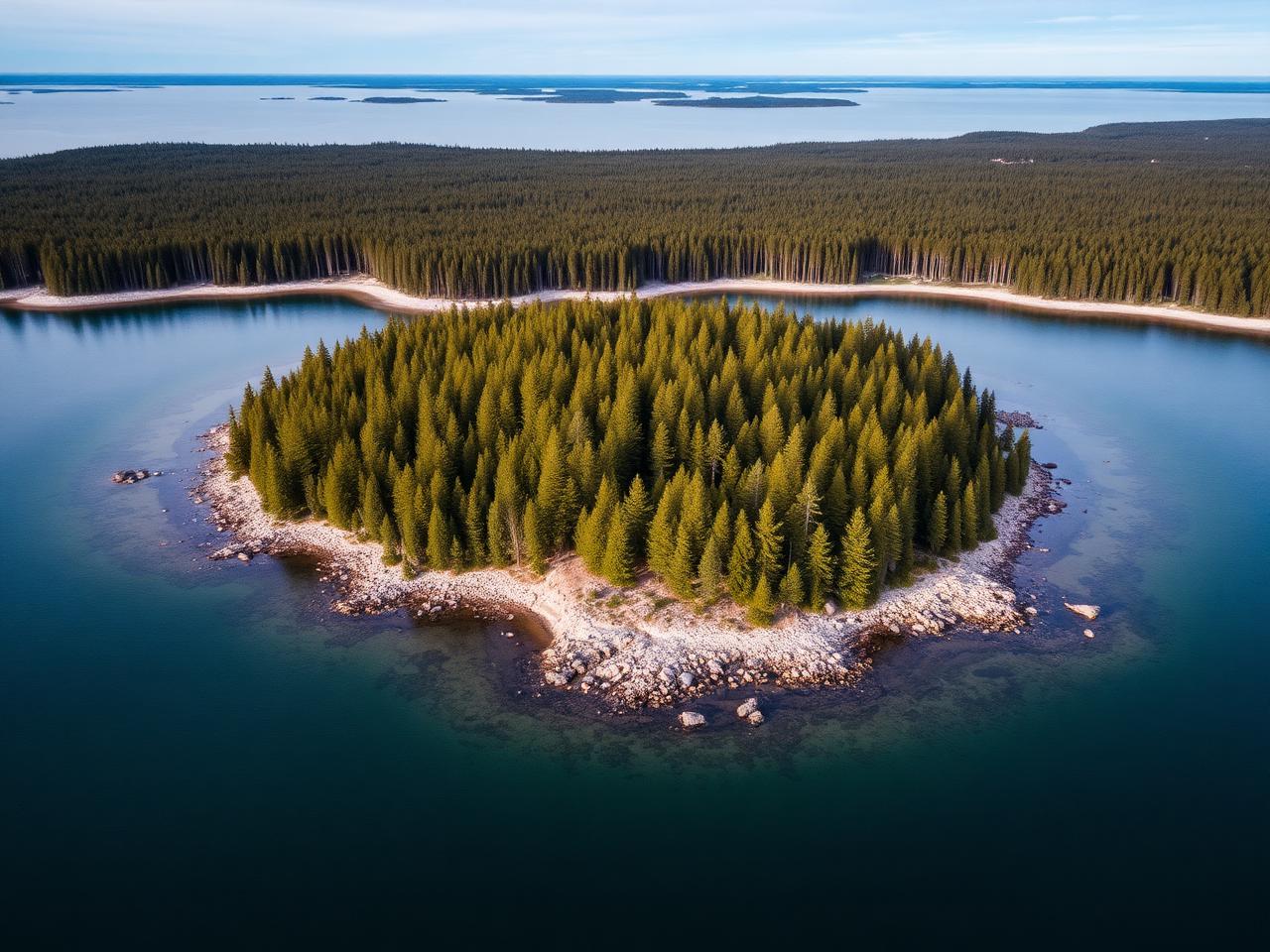
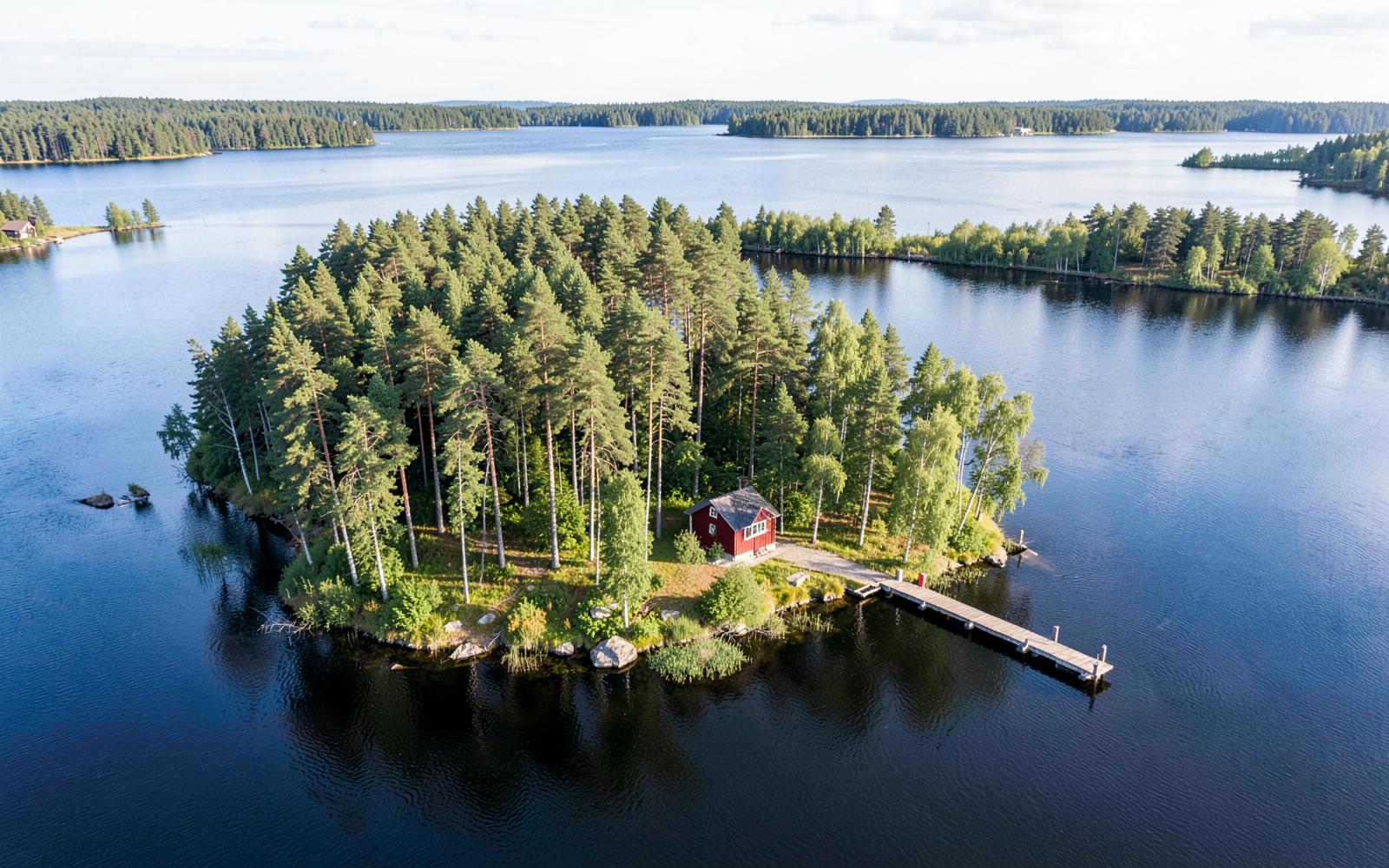
Two distinct markets in one country. The interior lake district produces freshwater cabin islands with saunas and boat access; the Baltic coast produces rocky archipelago holdings around Turku and Åland. Off-grid ownership is normal, and the lower-priced end of the European market is largely researched here.
Sweden
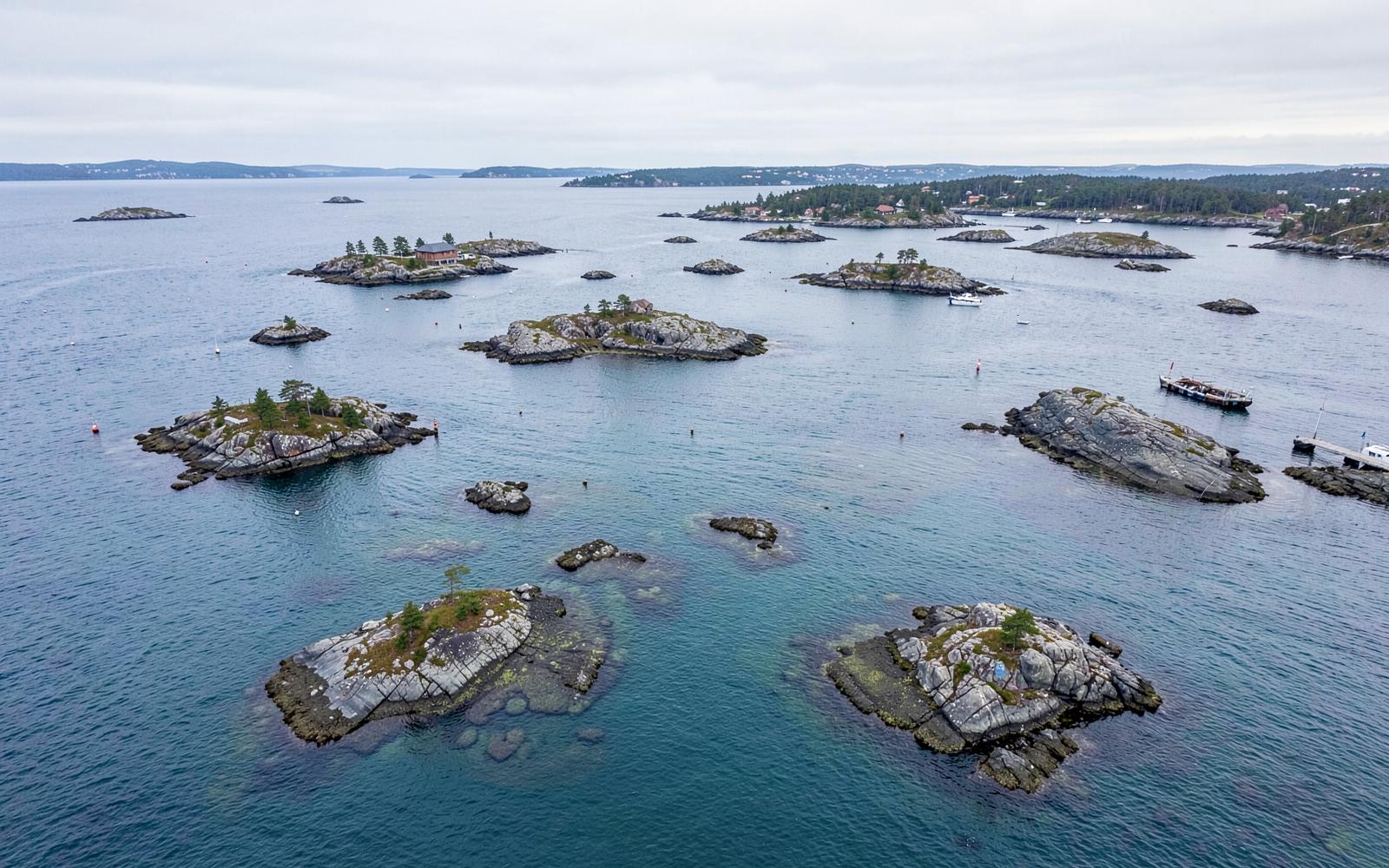
The Stockholm archipelago is the most active Nordic island market and the one closest to a major capital, which supports both short crossings and better services. Inland, Lake Mälaren offers freshwater islands within commuting reach of the city. Shoreline protection rules are strict and shape what can be built.
Norway
A coastal and fjord market rather than a lake one. Islands are rockier, more exposed and often steep, with deep water close in. The southern coast holds the most established summer-property tradition. Building near the shoreline is tightly controlled, so existing rights matter more than land area.
Lake, Baltic and fjord islands compared
| Lake islands | Baltic / archipelago | Fjord and coastal | |
|---|---|---|---|
| Typical setting | Sheltered freshwater, forested, interior Finland and Sweden | Granite skerries and wooded islets, Finland and Sweden | Steep rocky coast and fjord mouths, Norway |
| Access | Short open-boat crossing from a road-served landing | Boat, often with a public ferry network nearby | Boat, with exposure to open-sea conditions |
| Water | Fresh; lake-drawn and treated | Brackish; needs a separate drinking-water source | Salt; needs a separate drinking-water source |
| Winter | Ice-bound; unreliable during freeze-up and thaw | Ice in inner waters; wind-driven outer conditions | Ice-free in most places, but storm-limited |
| Development | Cabin and sauna tradition; municipal shoreline rules | Modest cottages; strict shoreline controls | Strong shoreline protection; existing rights are key |
| Typical buyer | Wants seclusion and freshwater cabin life | Wants seclusion with realistic mainland links | Wants dramatic coastline and boating |
Access and infrastructure
- Crossings are usually short; the harder question is the mainland landing, parking and boat storage
- Off-grid solar with battery storage and a generator is the regional default
- Grid connection by submarine cable exists on some established near-shore islands and adds real value
- Drinking water is a design question everywhere except freshwater lakes
- Satellite internet has made remote Nordic islands considerably more usable
- Winter boat haul-out and storage is a standing annual cost
Ownership considerations
- All three countries have well-organised land registries and clear freehold title
- Acquisition requirements for non-residents differ by country and can change
- Åland operates under its own framework within Finland and needs specific local advice
- Shoreline protection legislation exists across the region and constrains new building
- Nature protection designations apply to some islands and can restrict clearing entirely
- Confirm whether jetties, saunas and outbuildings were lawfully established
Building and development complexity
Development is the area where Nordic markets surprise buyers most. Shoreline building is restricted across the region, permissions are handled locally, and an undeveloped island should never be assumed buildable because a neighbouring one carries a cabin.
Where structures already exist, the practical route is usually renovation or like-for-like replacement rather than expansion. Transport of materials by boat or barge, a short construction season and limited local contractor capacity all raise costs relative to mainland work.
Who Scandinavia suits
- Buyers who want privacy and forest-and-water landscape rather than a beach
- People comfortable running their own power and water systems
- Seasonal users who accept a warm-weather pattern of ownership
- Buyers who prioritise secure freehold title and stable jurisdictions
- Anyone researching the lower-priced end of the European island market
It suits far less well anyone who needs year-round occupancy, staffed service, warm swimming water or immediate permission to build something substantial.
Where lower-priced Nordic islands are researched
We do not claim any island is currently available at a given price. What we can say is that buyers with smaller budgets concentrate their research on small, undeveloped or seasonal Nordic properties — most often in Finland’s lake district and the outer reaches of the Baltic archipelagos. Our under $500,000 and under $1 million pages explain what those budgets realistically buy, and lake islands covers the freshwater category in more depth.
Nordic island markets in detail
Related guides
Frequently asked questions
Which Nordic country has the most private islands?
Finland and Sweden both have very large island counts because of their lake districts and Baltic archipelagos. Norway's islands are concentrated along its coast and fjords. Availability in any given season is a separate question from island count.
Are Scandinavian islands cheaper than Caribbean islands?
Positioning rather than a fixed rule: Nordic freshwater and small coastal islands are generally researched by buyers with lower budgets than tropical markets, largely because they are smaller, seasonal and often undeveloped. We do not publish market averages.
Can foreign buyers purchase islands in Scandinavia?
Rules differ by country and, in the case of Åland, by autonomous region. Some acquisitions involve permission or notification steps. Take country-specific legal advice rather than relying on general regional statements.
Can you use a Nordic island all year?
Most owners treat these as warm-season properties. Ice, short winter daylight and unreliable access during freeze-up and thaw make year-round use the exception rather than the norm.
Is grid power available?
Sometimes, by submarine cable, particularly on established near-shore islands. Off-grid solar with generator backup is the more common configuration and should be assumed until confirmed.