North America
Private Islands for Sale in the United States
The United States has more islands changing hands each year than any tropical market, but most of them are freshwater or coastal northern properties rather than palm-fringed cays. Maine, Michigan, New York's Thousand Islands, Minnesota, Wisconsin and Florida account for the bulk of activity, with Alaska adding large, remote coastal holdings.
Ownership is straightforward. Title records are reliable, title insurance is standard and financing is possible in some cases. The complexity sits in local rules: county zoning, septic approval, shoreline setbacks and dock permitting frequently determine what an island is actually worth.
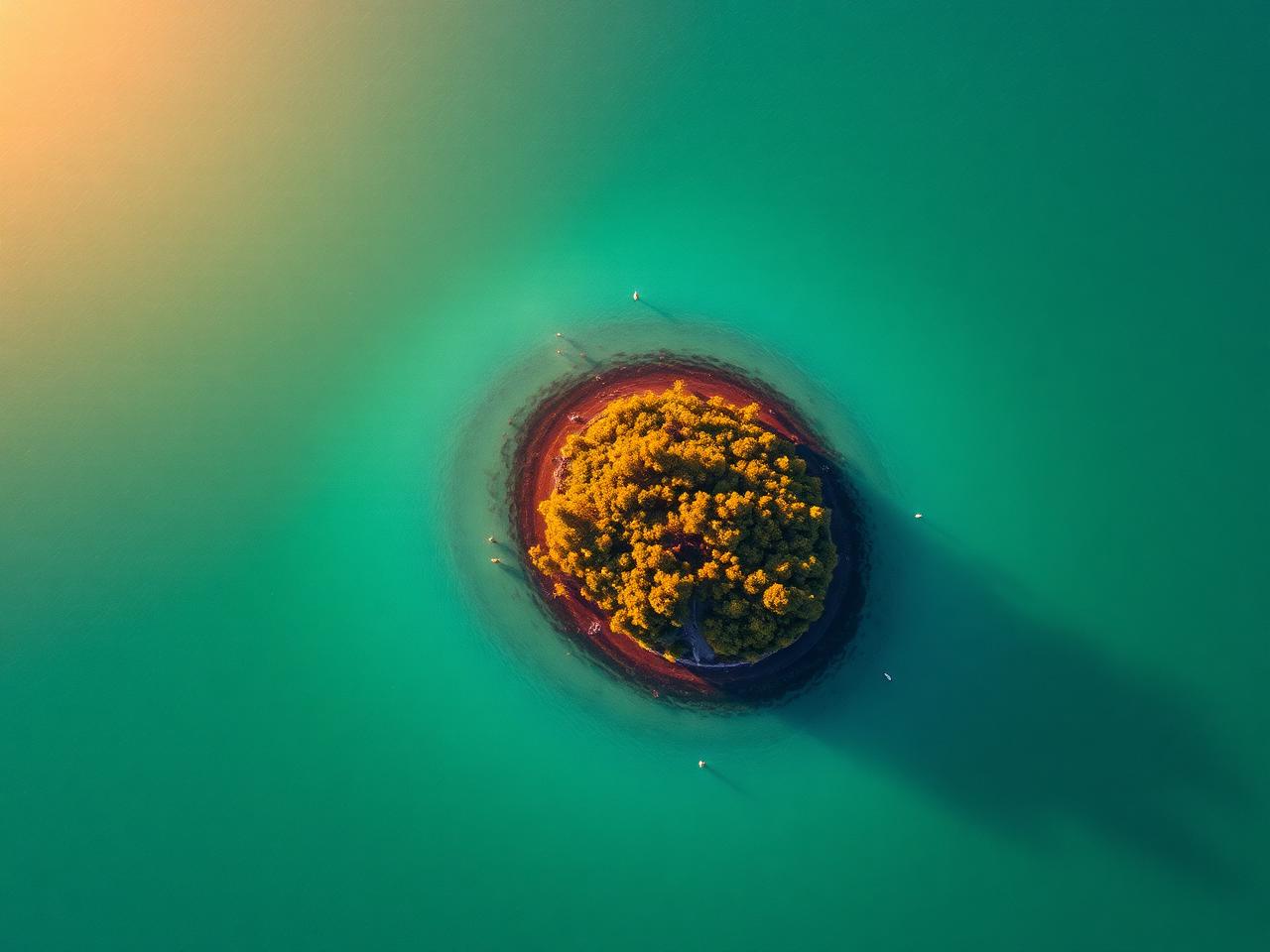
Areas within the United States
Where buyers look
| Area | Notes |
|---|---|
| Maine | Coastal islands with granite shorelines, working harbours nearby and strong conservation traditions. |
| Michigan and the Great Lakes | Freshwater islands with cottage infrastructure and seasonal boat access. |
| New York — Thousand Islands | The most established island cottage market in the country, on the St. Lawrence River. |
| Florida | Warm-water spoil and bay islands, tightly regulated and often limited in buildable area. |
| Alaska | Large remote coastal islands with floatplane access and minimal services. |
Foreign ownership
- There is generally no federal restriction preventing foreign nationals from owning real estate in the United States.
- Certain states apply their own rules or reporting requirements, and tax treatment for non-resident owners differs from that of residents.
- Non-resident buyers should take US tax advice before choosing between personal, trust or corporate ownership.
Tenure and title
- Freehold, known as fee simple, is the standard form of ownership, supported by county records and title insurance.
- Submerged land, shoreline and riparian rights are frequently governed separately by state agencies.
Taxes and fees
- Buyers typically pay recording fees, title insurance and, in some states, a transfer tax; annual property taxes are levied locally.
- Rates vary widely by state and county, so obtain a specific estimate for the parcel rather than a national average.
What drives price
- Proximity to a mainland marina, launch or deeded parking
- Septic feasibility and soil depth, which often cap buildable capacity
- Whether power is available by submarine cable
- Zoning, setbacks and any conservation easement on the property
- Season length and whether year-round use is realistic
Development status
- Developed cottage islands are common in the Great Lakes, the Thousand Islands and inland lakes, often with a dock and boathouse already permitted.
- Undeveloped islands are more typical in Maine and Alaska, where permitting and barge logistics govern the build programme.
Climate and seasonality
- Northern islands have a defined open-water season, with freeze-up limiting access in winter and shoulder periods.
- Florida and Gulf islands face hurricane exposure and elevated insurance and construction requirements.
Infrastructure at a glance
| Service | Typical situation |
|---|---|
| Water | Drilled wells are possible on larger islands; elsewhere lake intake with treatment or rainwater catchment is used. |
| Power | Submarine cable connections exist on some established islands; otherwise solar, battery and generator systems. |
| Internet | Satellite and fixed wireless services provide reliable connectivity in most island locations. |
| Docks and moorings | Docks, boathouses and moorings are permitted through state and sometimes federal agencies, with strict rules in many areas. |
| Air access | Floatplane access is common in Alaska and parts of the northern states; elsewhere access is by boat from a nearby mainland base. |
The buying process
- 1Engage a local real estate attorney familiar with island and shoreline regulation
- 2Order a title search, survey and title insurance commitment
- 3Confirm septic feasibility, zoning and any conservation restrictions
- 4Verify mainland access rights, parking and dock or slip arrangements
- 5Close through escrow with recording of the deed and payment of local taxes
Currency
Transactions are typically denominated in USD.
Related guides
Frequently asked questions
Which US state has the most private islands for sale?
Maine, Michigan and New York consistently produce the most inventory, with Florida and Alaska adding smaller but distinctive markets.
Can a private island in the US be financed?
Financing is possible in some cases, particularly for developed islands with conventional access, but lender appetite is limited and terms differ from mainland residential lending.
What is the most common obstacle to building?
Septic approval and shoreline setback rules. Both are decided locally and can significantly restrict where and how large a structure can be.