Buying guide
Private Island Taxes and Closing Costs
Transaction costs on an island purchase follow local property rules, but cross-border ownership adds structuring, reporting and sometimes withholding obligations that buyers overlook.
Rates change frequently, so this guide describes categories rather than numbers. Obtain a written estimate from local counsel for any specific transaction.
By Private Island Listings Editorial Team · Last updated 2026-08-20
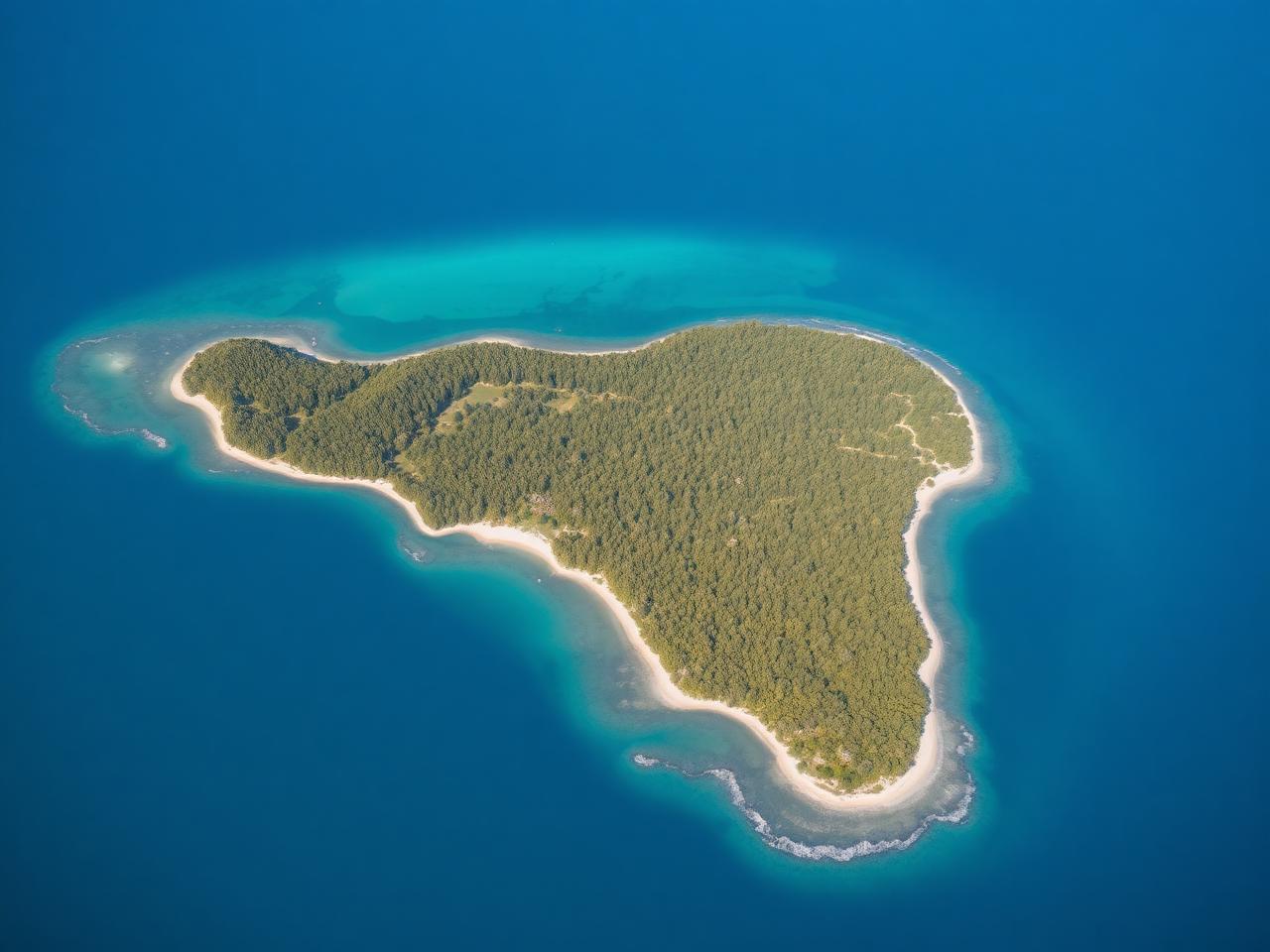
Typical transaction cost categories
- Transfer tax, stamp duty, registration tax or VAT, depending on jurisdiction
- Notary, legal and conveyancing fees
- Survey, registration and recording charges
- Permit or consent fees for foreign buyers
- Structuring costs where a company or trust is used
Holding costs
- Annual property or land tax, or lease rent
- Corporate maintenance fees where an entity holds title
- Non-resident surcharges applied in some jurisdictions
- Reporting obligations in your country of tax residence
Exit considerations
Capital gains treatment, withholding on sale proceeds and repatriation rules should be understood before purchase, since the ownership structure chosen at the outset determines the outcome years later.
Keep reading
Related guides
GuidePrivate Island FinancingWhy island financing is harder than mainland lending, which properties lenders consider, and the alternatives buyers commonly use.GuideHow Much Does a Private Island Cost?What drives private island prices, why identical-looking islands differ so much in value, and how to budget for the total cost of ownership.GuideCan Foreigners Buy a Private Island?How foreign ownership rules differ between island markets, including permits, leases, corporate structures and the questions to ask locally.