the South Pacific
Private Islands for Sale in New Zealand
New Zealand offers temperate islands in exceptionally clear water, with the Hauraki Gulf near Auckland, the Bay of Islands in the north and the Marlborough Sounds in the south providing the main opportunities. Sailing culture is strong, marine services are excellent and transfers are typically short.
The regulatory position for foreign buyers is the key consideration. New Zealand operates an overseas investment regime that restricts acquisitions of sensitive land, including many rural and island properties, by non-residents. Consent is a substantive process rather than a formality.
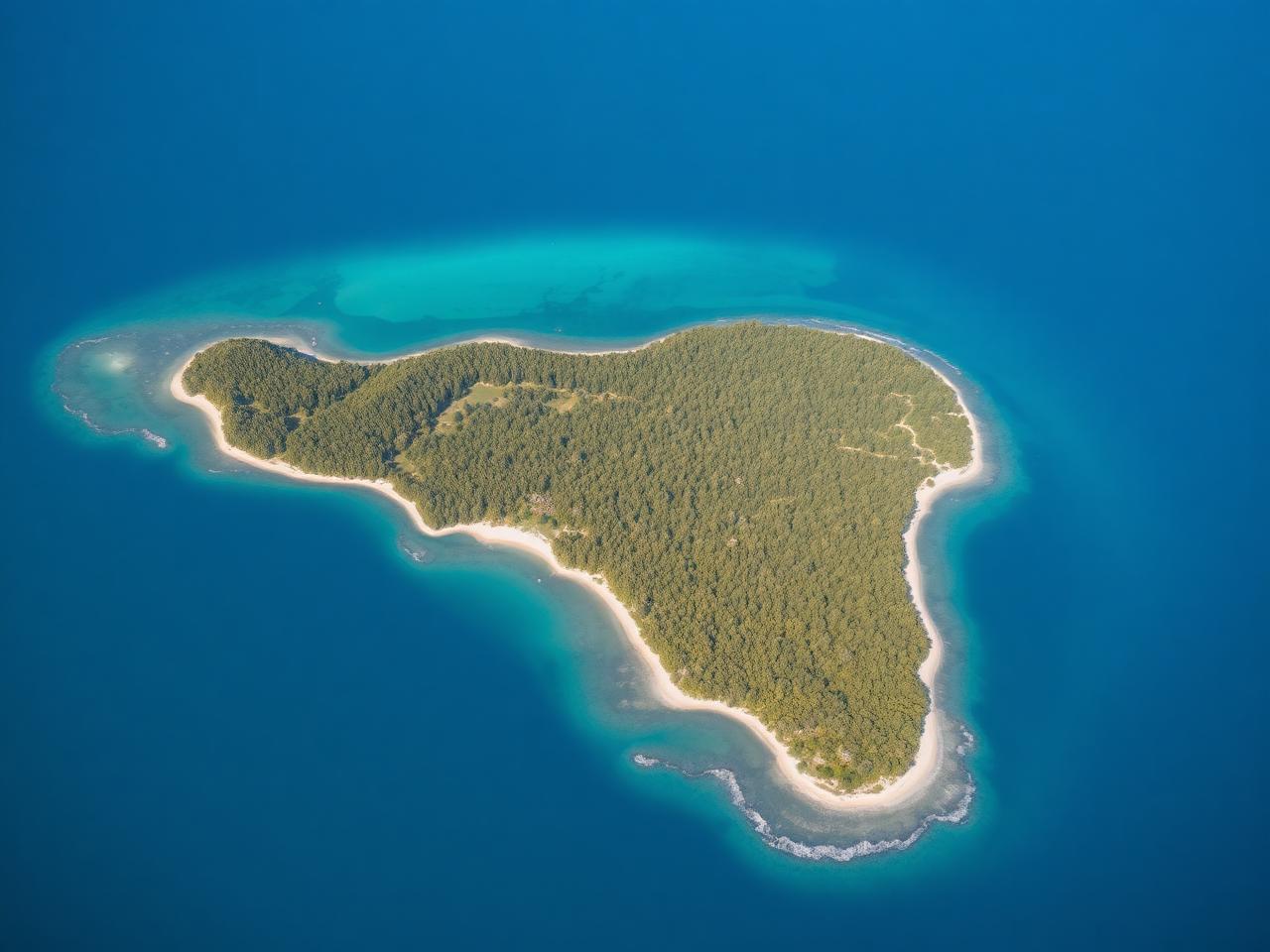
Popular private island markets in New Zealand
Buyer Update: Private-Island Ownership and Sensitive Land in New Zealand
New Zealand is a market where the legal classification of the land should be checked before a buyer spends significant time on design, negotiation or travel.
Under the overseas investment framework, an overseas person must obtain consent before investing in sensitive land. Land can be sensitive because it is residential, because of its size or type, because of what it adjoins, or because it is located on an island.
The official sensitive-land guidance specifically lists thresholds for named islands and states that land on other islands, excluding the North and South Islands, can be sensitive with no minimum area threshold. That makes early legal screening especially important for a private-island acquisition.
Changes to the Overseas Investment Act took effect on 6 March 2026. LINZ states that the scope of what is screened did not change, although the screening process changed for some assets. Buyers should work from current LINZ/OIO guidance for their exact property and status rather than older general summaries.
Three New Zealand Island Markets to Compare
Hauraki Gulf
The Hauraki Gulf is a practical starting point for buyers who prioritise proximity to Auckland. Travel can be by boat, ferry connection, helicopter or a combination depending on the island.
The advantages are access to marine trades, airports and services. The constraints can include conservation status, coastal planning, limited freshwater and the cost of maintaining infrastructure in a marine environment.
Bay of Islands
Northland offers sheltered water, boating infrastructure and a warmer climate than much of the country. Existing wharves, houses and resource consents should be checked carefully because they can represent a large part of the property’s practical value.
Marlborough Sounds
The Sounds offer deep sheltered waterways and a very different landscape. Many properties are boat-access only, and steep terrain can make the location of buildings, tracks, water storage and landing infrastructure more important than total acreage.
What to Verify Before Making an Offer
A New Zealand island buyer should confirm:
- whether the land is classified as sensitive;
- whether Overseas Investment Office consent is required;
- the current title and survey;
- any conservation covenants;
- resource consents for buildings, wharves and other works;
- legal access;
- water supply;
- wastewater;
- power;
- wildfire and natural-hazard exposure;
- ongoing maintenance of marine structures.
The approval path depends on the buyer and property. This page is a market guide, not a substitute for New Zealand legal advice.
Access and Infrastructure
New Zealand island properties range from developed estates to bare or lightly improved land.
Common infrastructure questions include:
- Is there a legal wharf or jetty?
- Is the landing sheltered in prevailing conditions?
- Is freshwater collected from roofs, drawn from a bore or delivered?
- Is power fully off-grid?
- Does the property have reliable mobile or satellite communications?
- How will contractors and materials reach the island?
- Is there a mainland parking, marina or storage arrangement?
A short crossing does not automatically mean simple logistics. The quality of the landing and the mainland base can be as important as the island itself.
Why Existing Consents Matter
On a remote property, the value of an existing building is not only the structure. It may also represent planning work, engineering, access and services that would take significant time to reproduce.
Before assuming that an old house can simply be replaced or enlarged, verify the consent position and any environmental or heritage constraints.
How to Search the New Zealand Market
A useful brief should state:
- preferred region;
- acquisition budget;
- intended use;
- whether an overseas buyer is involved;
- developed vs. undeveloped preference;
- minimum access standard;
- whether year-round occupancy matters.
That information allows the search to focus on properties that are legally and practically compatible with the buyer, rather than just visually attractive islands.
Where buyers look
| Area | Notes |
|---|---|
| Hauraki Gulf | Islands within an hour of Auckland by boat or helicopter, the most convenient location in the country. |
| Bay of Islands | A sheltered subtropical archipelago in Northland with strong boating infrastructure. |
| Marlborough Sounds | Deep, sheltered waterways in the South Island with forested islands and quiet anchorages. |
| Coromandel and eastern coast | Occasional islands near established coastal communities. |
Foreign ownership
- The overseas investment regime restricts purchases of sensitive land by people who are not New Zealand citizens or eligible residents.
- Islands and rural coastal land frequently fall within the sensitive land definition, so consent is often required.
- Applications require detailed information and can take time, which should be reflected in the transaction timetable.
Tenure and title
- Freehold title under the Torrens system is standard and highly reliable.
- The coastal marine area is publicly administered, and structures below the high-water mark need consent.
Taxes and fees
- New Zealand does not levy stamp duty, though legal fees and registration costs apply.
- Local council rates apply annually, and specific tax rules can apply to residential land held for short periods.
What drives price
- Overseas investment consent requirements and the buyer's residency status
- Distance from Auckland or a regional airport
- Existing dwellings with resource consent and their compliance status
- Wharf or jetty presence and shelter from prevailing winds
- Conservation covenants and protected vegetation
Development status
- Many New Zealand islands include a dwelling, wharf and established access track.
- Undeveloped islands are subject to resource consent processes that assess environmental effects in detail.
Climate and seasonality
- Temperate maritime, with warm summers and mild winters that allow year-round use in the north.
- Exposure to swell and wind varies sharply between sheltered sounds and open coastal locations.
Infrastructure at a glance
| Service | Typical situation |
|---|---|
| Water | Rainwater catchment with tanks is standard, and bores are possible on larger islands. |
| Power | Solar and battery systems are common; a few islands near the mainland have cable connections. |
| Internet | Satellite and rural wireless services provide dependable coverage. |
| Docks and moorings | Wharves and jetties require resource consent from the regional council. |
| Air access | Auckland is the main international gateway, with helicopter and floatplane services to the gulf and Northland. |
The buying process
- 1Assess whether overseas investment consent is required for your circumstances
- 2Instruct a New Zealand lawyer and obtain a title search and LIM report
- 3Verify resource consents for existing buildings and structures
- 4Check covenants, protected vegetation and coastal marine area boundaries
- 5Settle the purchase and register the transfer
Currency
Transactions are typically denominated in USD.
Related guides
Frequently asked questions
Can foreigners buy an island in New Zealand?
It depends on residency status and the land classification. Many islands are sensitive land, which requires consent under the overseas investment regime, and that process is substantive.
Is there stamp duty in New Zealand?
No stamp duty applies to property transfers, though legal, registration and council costs still need to be budgeted.
Which region is most convenient?
The Hauraki Gulf, because it combines short transfers from Auckland with excellent marine services and year-round usability.
More buyer questions
Can a foreign buyer purchase a private island in New Zealand?
Some overseas buyers can acquire New Zealand land, but sensitive-land rules can require consent. The position depends on the buyer and the property and should be confirmed under current LINZ/OIO guidance.
Are private islands considered sensitive land?
Island land can fall within New Zealand’s sensitive-land framework. Official guidance includes specific island thresholds and also treats land on other islands as sensitive in certain circumstances.
Which New Zealand island markets should buyers compare?
The Hauraki Gulf, Bay of Islands and Marlborough Sounds are key markets, each with different access, terrain and infrastructure profiles.
Is a wharf included automatically with an island property?
No. The legal status and consents for wharves, jetties and coastal structures should be verified separately.
What is the main practical advantage of the Hauraki Gulf?
Proximity to Auckland gives buyers access to airports, marine services, contractors and provisioning.
Should I buy before confirming overseas-investment requirements?
No. If the buyer may be an overseas person, legal screening of the land and consent pathway should happen early in the process.