Europe
Private Islands for Sale in Italy
Italy's private islands are few, distinctive and usually historic. The Venetian lagoon contains former monastery and hospital islands suited to restoration, the Tuscan and Tyrrhenian coasts hold small offshore properties, and northern lakes such as Maggiore and Iseo have exceptionally rare island estates.
Almost every Italian island purchase is a heritage project. Buildings frequently carry conservation designations, restoration must satisfy the relevant authorities, and timelines are long. In exchange, buyers acquire something with genuine architectural provenance rather than raw land.
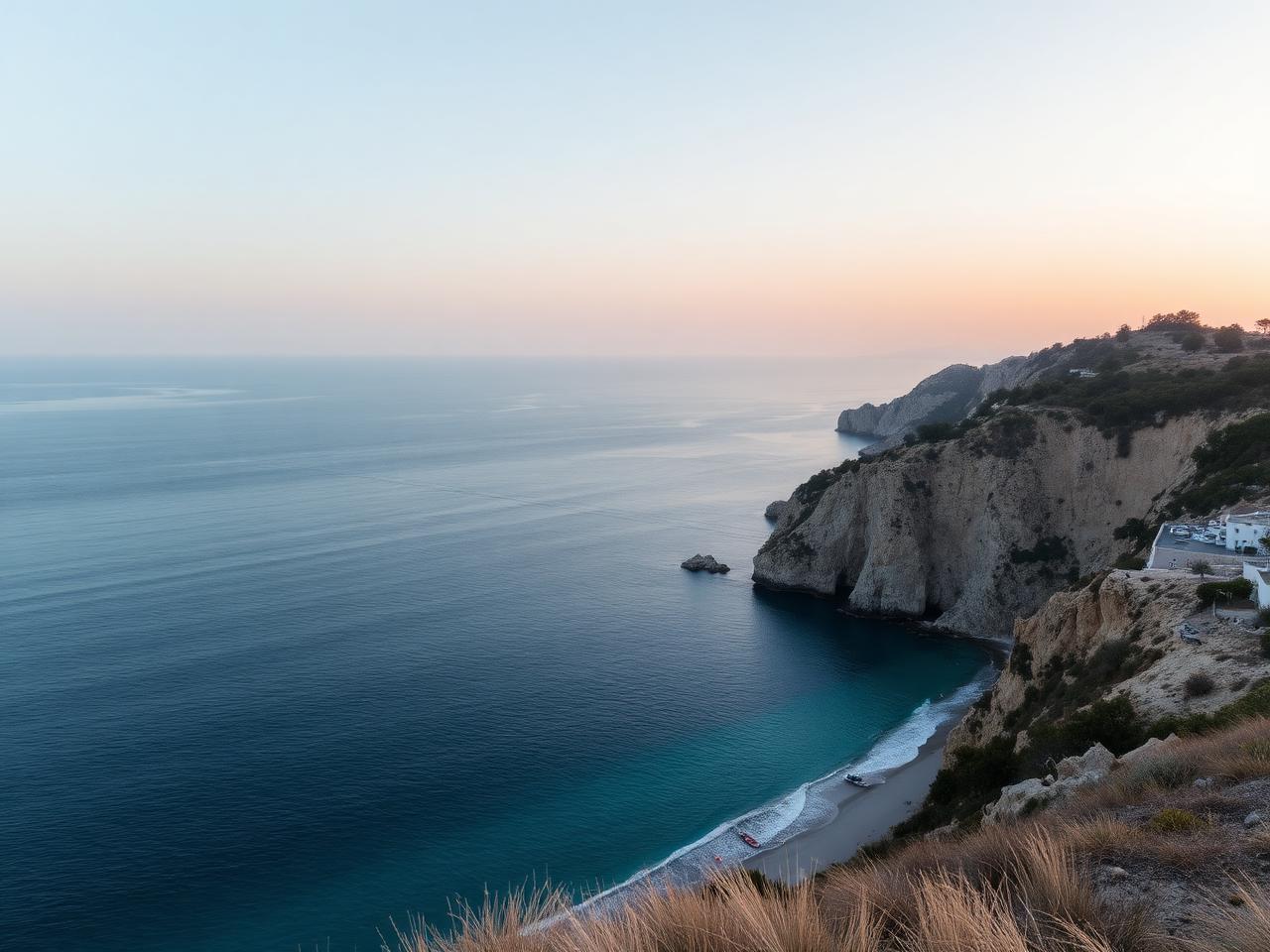
Popular private island markets in Italy
Where buyers look
| Area | Notes |
|---|---|
| Venetian lagoon | Historic islands close to Venice, typically restoration projects with heritage oversight. |
| Tuscan archipelago | Small offshore holdings near Elba and Giglio, with extensive marine protections. |
| Northern lakes | Extremely rare island estates on Maggiore, Iseo and Como, usually with historic villas. |
| Southern Tyrrhenian | Occasional islets near Sicily and the Aeolian islands with volcanic landscapes. |
Foreign ownership
- EU nationals may purchase freely, and buyers from many non-EU countries can purchase under reciprocity arrangements.
- An Italian tax code is required, and purchases are completed before a notary who verifies title.
- Heritage authorities may hold pre-emption rights over listed properties, which affects timing.
Tenure and title
- Freehold ownership is standard and recorded in the land registry and cadastre.
- Listed buildings carry ongoing conservation obligations that bind future owners.
Taxes and fees
- Registration tax or VAT applies depending on the seller and property type, alongside notary and legal fees.
- Annual municipal property taxes apply to second homes; confirm rates for the specific comune.
What drives price
- Heritage classification and the scope of permitted restoration
- Proximity to Venice, a major lake town or a mainland marina
- Condition of existing structures and estimated restoration cost
- Marine protected area rules affecting access and moorings
- Utility connections, which are available on some lagoon and lake islands
Development status
- Restoration projects dominate the market, often involving substantial historic structures.
- Fully restored island properties are exceptionally rare and priced accordingly.
Climate and seasonality
- Mediterranean along the coast, with a temperate lake climate in the north that suits year-round use.
- Lagoon islands face acqua alta and salt exposure, both of which influence restoration methods.
Infrastructure at a glance
| Service | Typical situation |
|---|---|
| Water | Lagoon and lake islands can sometimes connect to mainland supply; otherwise cisterns and treatment systems are used. |
| Power | Cable connections exist on several lagoon and lake islands, which greatly simplifies restoration. |
| Internet | Fixed and mobile services are generally good given proximity to mainland infrastructure. |
| Docks and moorings | Moorings and landings require authorisation from maritime or lake authorities. |
| Air access | Venice, Pisa, Milan and Naples airports serve the main island regions, with short transfers. |
The buying process
- 1Obtain an Italian tax code and appoint an independent lawyer alongside the notary
- 2Review cadastral records, title history and any heritage listing
- 3Commission a structural and restoration cost assessment
- 4Confirm authority requirements and any pre-emption rights
- 5Sign the preliminary contract, then complete before the notary
Currency
Transactions are typically denominated in EUR.
Related guides
Frequently asked questions
Are Italian private islands available regularly?
No. Supply is very limited, and most opportunities are restoration projects with heritage constraints rather than turnkey properties.
Can historic island buildings be modernised?
Usually within limits set by conservation authorities. Approvals govern materials, layouts and external appearance, and the process takes time.
Do lagoon islands have services?
Some have mainland connections for water and power, which is a considerable advantage. Each island must be assessed individually.