Europe
Private Islands for Sale in Croatia
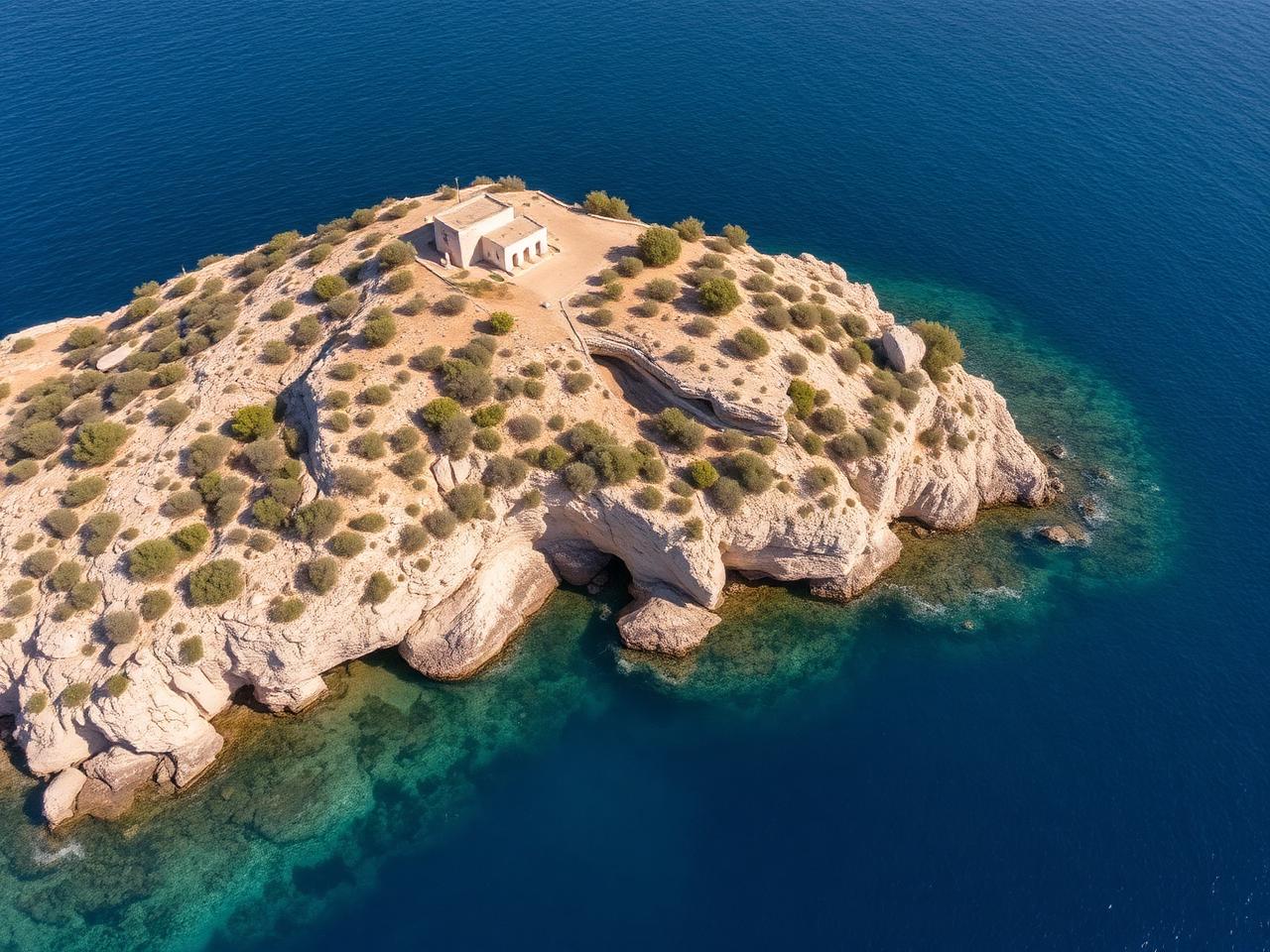
Croatia's Adriatic coast contains more than a thousand islands and islets, set in clear water with short crossings from a well-developed mainland. Marinas, ferries and coastal airports make the region unusually convenient for island use compared with more remote markets.
Private ownership of entire islands is rare. Much of the coast is protected, planning is centrally regulated, and many islets are state-owned or subject to concession arrangements. When a private holding does come to market, its permitted use and building status are the defining factors in value.
Where buyers look
| Area | Notes |
|---|---|
| Central Dalmatia | Islets near Split, Hvar and Brač with excellent marina and flight connections. |
| Southern Dalmatia | The Elaphiti area near Dubrovnik, with strong tourism demand and strict heritage controls. |
| Kornati region | A striking archipelago largely within a national park, where protection dominates. |
| Northern Adriatic | Islets near Zadar and Kvarner with shorter seasons and lower pricing. |
Foreign ownership
- EU nationals may acquire property in Croatia largely on the same terms as Croatian citizens.
- Buyers from outside the EU may require reciprocity-based approval, and requirements vary by nationality.
- Many non-EU buyers acquire through a Croatian company, which changes the tax and administrative picture.
Tenure and title
- Freehold ownership is registered in the land registry, alongside a separate cadastral record of boundaries.
- Discrepancies between the registry and cadastre are common and must be resolved before completion.
Taxes and fees
- Real estate transfer tax or value added tax applies depending on the transaction, along with notary and legal fees.
- Annual property charges are modest, but confirm the current framework with a Croatian lawyer.
What drives price
- Existing legal buildings and their registered status
- Distance from a marina and from Split, Zadar or Dubrovnik airports
- National park or protected-area designation
- Water and power supply feasibility
- Anchorage quality and exposure to the bora wind
Development status
- Undeveloped islets are the most common offering, frequently with limited or no building rights.
- Properties with legal existing structures, particularly restored stone buildings, are highly sought after.
Climate and seasonality
- Mediterranean, with hot dry summers and mild wet winters that support a long season.
- The bora wind can be severe in winter and shapes building design and mooring choices.
Infrastructure at a glance
| Service | Typical situation |
|---|---|
| Water | Cisterns collecting rainwater are traditional; some islets near inhabited islands can connect to mainland supply. |
| Power | Solar systems are standard, with submarine cable connections available in limited locations. |
| Internet | Mobile coverage along the coast is generally strong, and satellite service covers remote islets. |
| Docks and moorings | Maritime domain rules govern the shoreline, and any pier or mooring requires a concession or permit. |
| Air access | Split, Zadar, Dubrovnik and Pula airports serve the coast, with short boat transfers to the islands. |
The buying process
- 1Appoint a Croatian lawyer and confirm eligibility to purchase given your nationality
- 2Reconcile land registry and cadastral records for the parcel
- 3Verify planning status, protected-area designation and building rights
- 4Check maritime domain boundaries and any concession requirements
- 5Complete the notarised contract and register ownership
Currency
Transactions are typically denominated in EUR.
Related guides
Frequently asked questions
Can foreigners buy an island in Croatia?
EU nationals generally can, on similar terms to locals. Non-EU buyers may need approval or may use a Croatian company, depending on nationality and circumstances.
Are most Croatian islands privately owned?
No. A significant proportion is state-owned or protected, which is why genuinely private islands rarely come to market.
What is the maritime domain?
It is the publicly held coastal strip and seabed. It affects shoreline structures and means the water's edge is not privately controlled.