Southeast Asia
Private Islands for Sale in Indonesia
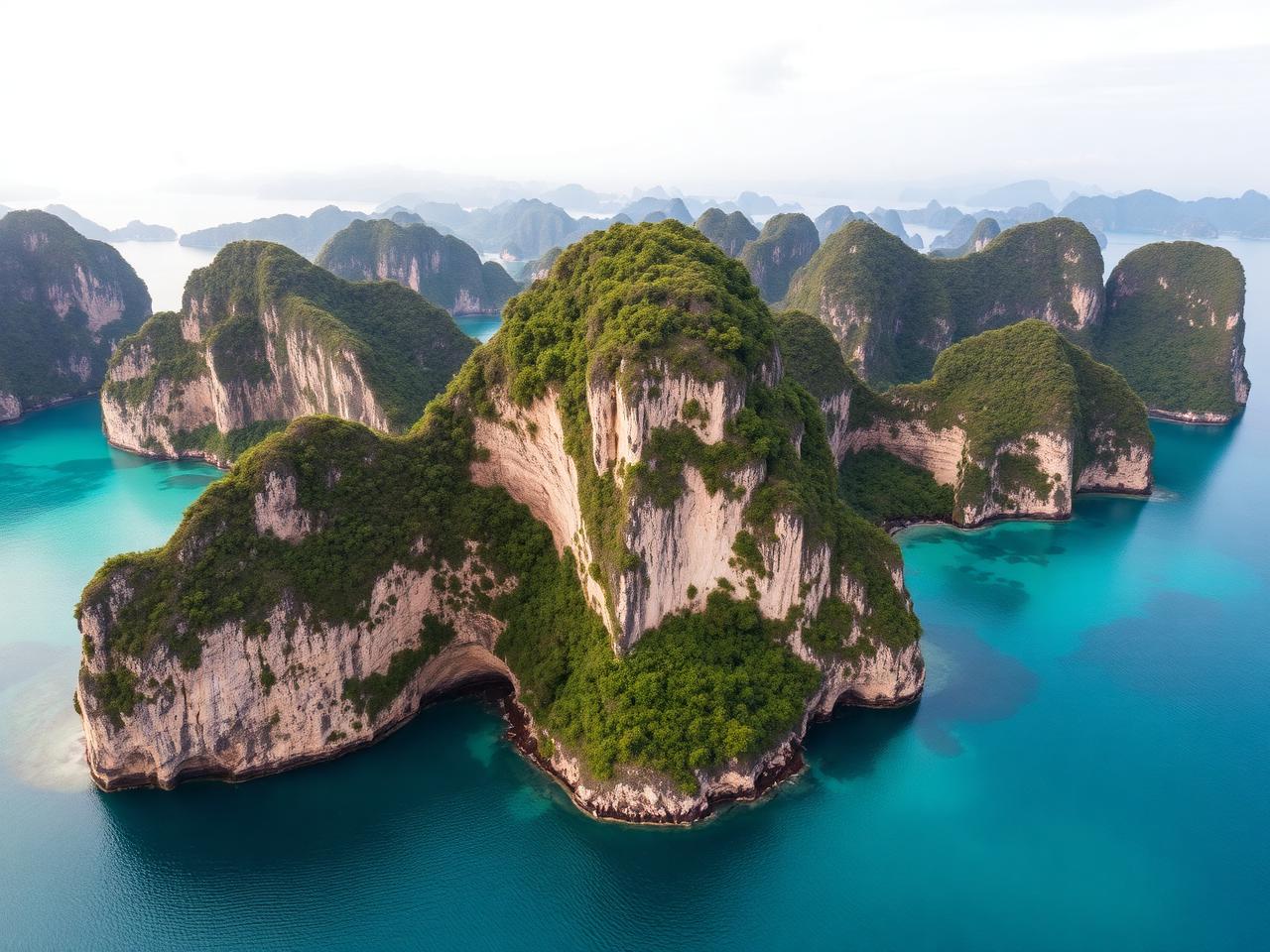
Indonesia spans more than seventeen thousand islands, and a small number reach the international market each year. The areas near Bali and Lombok, the waters around Komodo, the Riau islands close to Singapore and the reefs of Raja Ampat attract the most interest.
Land rights are the central issue. Indonesian law reserves the strongest form of ownership for citizens, and foreign investors participate through defined use rights, leases or investment company structures. These arrangements are common and workable, but they require correct set-up and ongoing compliance.
Where buyers look
| Area | Notes |
|---|---|
| Bali and Lombok surroundings | Best infrastructure and tourism demand, with limited island supply and high prices. |
| Komodo and Flores area | Spectacular diving and growing tourism, with strong environmental protections. |
| Riau Islands | Close to Singapore, favoured for resort and marina-oriented projects. |
| Raja Ampat and eastern Indonesia | World-class reefs, remote access and strict conservation frameworks. |
Foreign ownership
- Freehold ownership is reserved for Indonesian citizens; foreign investors use right-to-use, right-to-build or lease structures.
- Investment company structures are commonly used for commercial projects and are subject to licensing requirements.
- Nominee arrangements are legally risky and should be avoided in favour of properly constituted structures.
Tenure and title
- Land rights are registered, and each category carries defined durations and renewal processes.
- Coastal and marine areas are separately regulated, and conservation zones can override development plans.
Taxes and fees
- Acquisition duty, notary fees and registration costs apply, alongside annual land and building tax.
- Corporate structures carry their own compliance and reporting costs that should be modelled.
What drives price
- The specific land right offered and its remaining duration
- Proximity to an international gateway such as Bali or Singapore
- Reef quality, dive access and tourism potential
- Existing licences for accommodation or commercial operation
- Local community rights and existing use of the island
Development status
- Undeveloped islands are the most common offering, often with community use rights in place.
- Small resorts and dive lodges trade periodically and are valued on licences and trading performance.
Climate and seasonality
- Equatorial and warm year-round, with wet and dry seasons rather than a cyclone season in most areas.
- Seismic and volcanic activity is a genuine consideration in parts of the archipelago.
Infrastructure at a glance
| Service | Typical situation |
|---|---|
| Water | Wells on larger islands, rainwater catchment elsewhere and desalination for resorts. |
| Power | Solar and generator hybrids; grid supply is limited to islands close to developed areas. |
| Internet | Satellite service, with strong mobile coverage near Bali and the Riau islands. |
| Docks and moorings | Jetties require permits and must respect coral protection rules. |
| Air access | Jakarta, Bali and Singapore serve as gateways, with domestic flights and boats for the final legs. |
The buying process
- 1Take Indonesian legal advice on the appropriate structure before negotiating
- 2Verify the land certificate and its category with the land office
- 3Identify community rights, existing occupation and conservation designations
- 4Establish the investment vehicle and licences required for the intended use
- 5Complete before a land deed official and register the right
Currency
Transactions are typically denominated in USD.
Related guides
Frequently asked questions
Can foreigners buy islands in Indonesia?
Not as freehold. Foreign investors use registered use rights, leases or investment company structures, each with defined durations and compliance obligations.
Are nominee arrangements safe?
They carry significant legal risk and are widely advised against. A properly constituted structure is the appropriate route.
Is Indonesia affected by cyclones?
Most of the archipelago sits near the equator and is outside the main cyclone belts, though heavy seasonal rain and seismic activity are relevant considerations.