Southeast Asia
Private Islands for Sale in the Philippines
The Philippines has more than seven thousand islands and one of the largest pools of potential private island opportunities in the world. Palawan, the Visayas and the waters around Cebu and Bohol produce the most inquiries, offering warm water, reef systems and comparatively low construction costs.
Foreign ownership of land is constitutionally restricted, so international buyers participate through long-term leases, corporate structures with majority local ownership, or condominium-style arrangements where applicable. These routes are well established, but they demand experienced local legal advice and careful structuring.
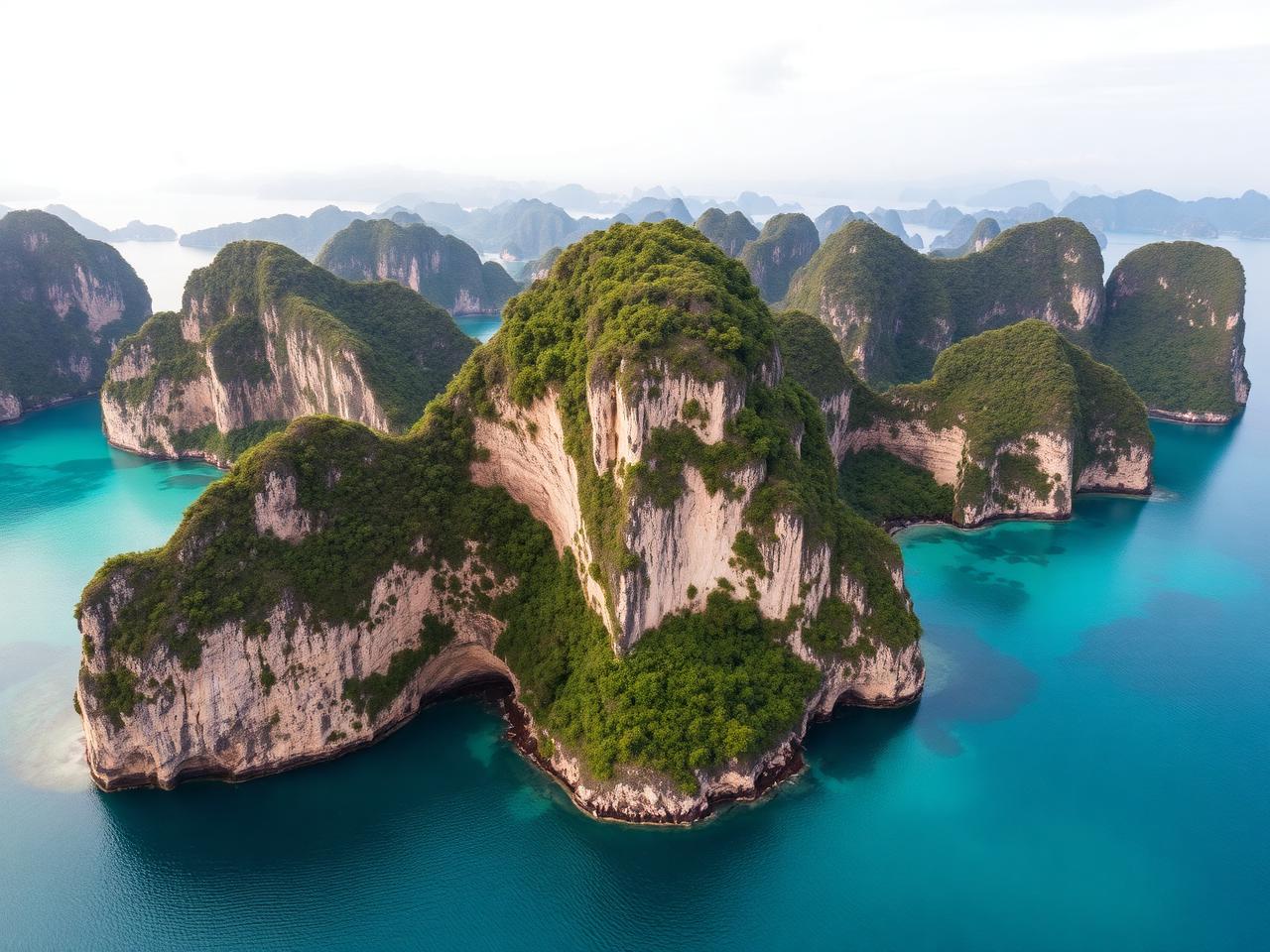
Where buyers look
| Area | Notes |
|---|---|
| Palawan | The most sought-after region, with limestone scenery, reefs and growing tourism infrastructure. |
| Visayas — Cebu and Bohol | Good domestic flight access and established resort markets. |
| Mindoro and Romblon | Closer to Manila with quieter waters and lower prices. |
| Northern Luzon islands | Accessible but more exposed to typhoons, with fewer services. |
Foreign ownership
- Foreign individuals cannot own land in the Philippines under the constitutional framework.
- Long-term leases and locally majority-owned corporations are the usual routes for foreign participation.
- Structures must be set up properly from the outset, as retroactive correction is difficult and risky.
Tenure and title
- Land is held under Torrens-style registered titles, and verifying the title with the registry of deeds is essential.
- Foreshore areas and certain classifications of public land cannot be privately titled.
Taxes and fees
- Transfer taxes, documentary stamp taxes, registration fees and capital gains or withholding taxes commonly apply.
- Annual real property tax is assessed locally; obtain a full cost estimate from a Philippine lawyer.
What drives price
- Whether the offering is a lease, a corporate structure or a use right
- Distance from a domestic airport and reliability of boat transfer
- Beach and reef quality and the presence of a safe landing
- Existing tourism permits and business licences
- Typhoon exposure, which varies significantly by latitude
Development status
- Undeveloped islands are widely offered, though documentation quality varies considerably.
- Operating resorts and lodges appear regularly and are often the most practical route for foreign investors.
Climate and seasonality
- Tropical with a pronounced typhoon season, particularly affecting the north and east of the country.
- Southern regions such as Palawan experience fewer typhoons, which influences buyer preference.
Infrastructure at a glance
| Service | Typical situation |
|---|---|
| Water | Rainwater catchment, wells on larger islands and desalination for resorts. |
| Power | Solar and generator systems; grid connection is rare on private islands. |
| Internet | Satellite and mobile data, with quality improving steadily across the archipelago. |
| Docks and moorings | Jetties are common and inexpensive to build by international standards, subject to permits. |
| Air access | Manila and Cebu are the main hubs, with an extensive domestic network and boat transfers onward. |
The buying process
- 1Take Philippine legal advice on structure before negotiating
- 2Verify the title with the registry of deeds and obtain a certified copy
- 3Confirm classification of the land and any foreshore or public areas
- 4Check occupancy, ancestral domain claims and local government requirements
- 5Execute the lease or corporate acquisition and register all filings
Currency
Transactions are typically denominated in USD.
Related guides
Frequently asked questions
Can a foreigner own a Philippine island?
Not directly. Land ownership by foreign individuals is constitutionally restricted, so participation is through long leases or corporate structures with majority Filipino ownership.
What are the main risks?
Title verification, overlapping claims and improperly constructed ownership structures. All three are manageable with experienced local counsel engaged from the beginning.
Which region has the least typhoon exposure?
Southern areas such as Palawan generally experience fewer typhoons than the north and east, though no part of the country is entirely unaffected.