Region
Private Islands for Sale in Central America
Central America draws buyers who want tropical water and reef access at a lower entry point than the established Caribbean markets, with reasonable flight connections to North America. Belize, Panama and Nicaragua each have active offshore and coastal island markets, generally in shallow, protected water rather than open ocean.
The defining issue in this region is title quality. Alongside conventional registered title, several countries recognise possession-based rights that behave very differently in a transaction. A buyer's first question in Central America should be what exactly is being transferred, in what register, and whether the boundary as marketed matches the boundary as recorded.
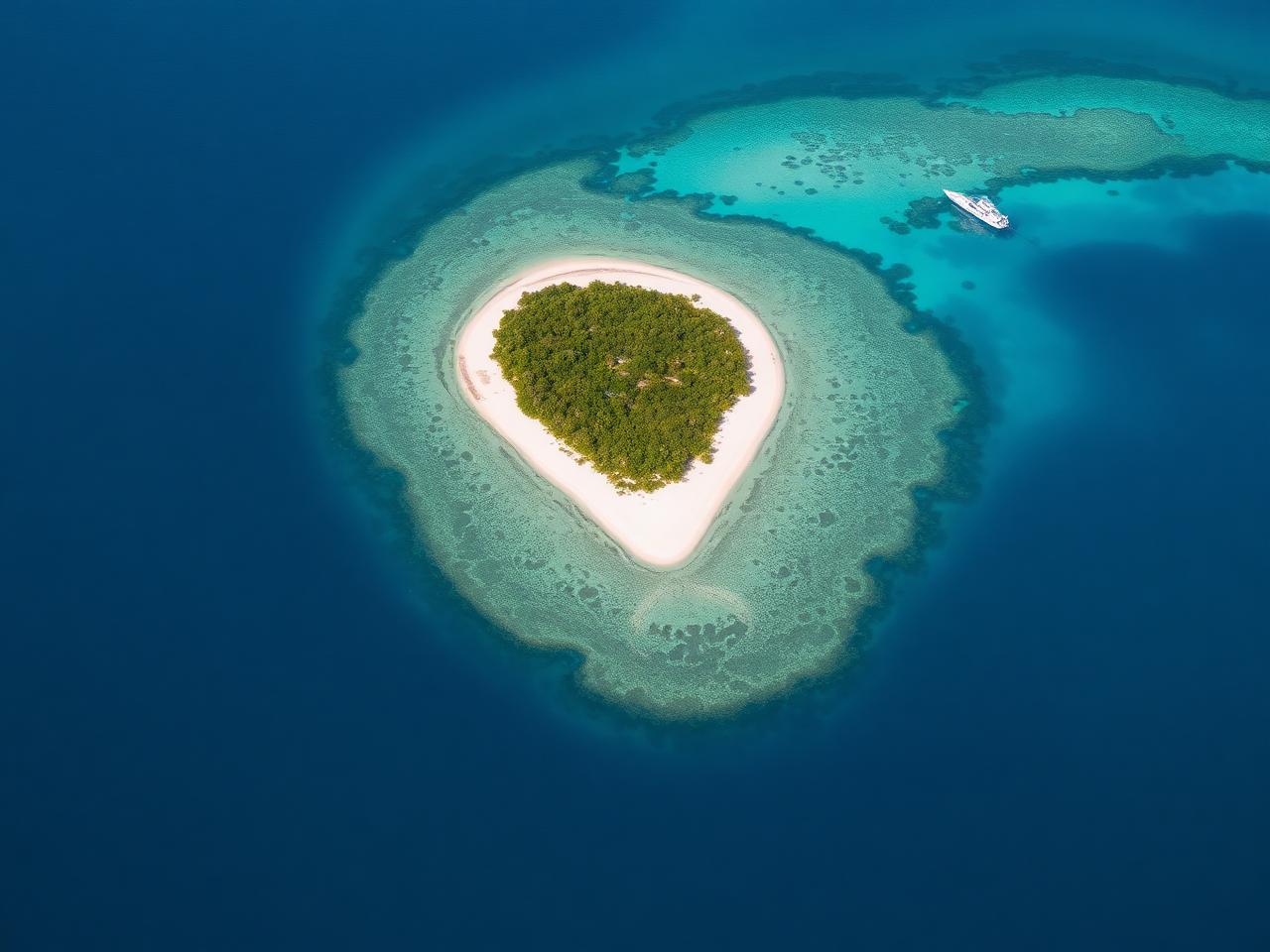
Countries in this region
Market overview
| Country | Typical setting | Ownership | Access |
|---|---|---|---|
| Belize | Barrier-reef cays, lagoon islands and mangrove holdings | Freehold available to foreigners; confirm registered versus deeded parcels | Belize City international gateway plus domestic flights and boats |
| Panama | Bocas del Toro, Guna Yala waters and Pacific-side islands | Titled land and rights of possession coexist; title status is critical | Panama City hub with frequent domestic connections |
| Nicaragua | Caribbean cays and freshwater islets in Lake Nicaragua | Freehold exists; historical title chains require careful review | Managua gateway with regional flights and boat transfers |
Ownership and title
- Registered freehold title exists across the region, but parallel systems such as rights of possession also circulate in the market.
- Concessions over mangrove, seabed or coastal strips may be separate from island title and can carry renewal conditions.
- Company ownership is common and often practical, but it moves the due diligence toward corporate records and liabilities.
- Environmental designations over reefs and mangroves can restrict clearing, dredging and dock placement.
What drives price
- Whether the island holds registered title or a weaker possessory right
- Mangrove coverage versus usable buildable upland, which can differ dramatically from headline acreage
- Distance from a serviceable domestic airstrip or marina
- Reef protection status and what marine permits allow
- Elevation and storm exposure, which vary considerably within short distances
Developed vs undeveloped
- Most inventory in the region is undeveloped or lightly developed, sometimes with a caretaker structure or a basic dock.
- Small eco-resort islands appear periodically and are usually valued on operating performance and permits rather than on land alone.
- Filling, dredging and mangrove clearing to enlarge a small cay is heavily regulated and should never be assumed as available.
Access and logistics
- Domestic flights plus a short boat transfer are the standard access pattern, and transfer time drives usability.
- Rainy seasons affect construction access and boat crossings more than they affect residency.
- Fuel, freshwater and building materials are typically barged, and delivery cost scales sharply with distance.
- Local labour and caretaker arrangements are widely used and materially reduce ongoing maintenance risk.
Island types found here
Related guides
Frequently asked questions
Why do Central American islands look inexpensive compared to the Caribbean?
Lower land values reflect distance from primary markets, smaller buildable areas, weaker infrastructure and, in some cases, title that is less straightforward. The land price is rarely the largest number in the total project cost.
What is rights of possession?
It is a possession-based interest recognised in some jurisdictions that is not the same as registered freehold title. It can sometimes be converted, but the process, cost and outcome should be verified by a local attorney before purchase.
Can mangrove areas be cleared to create beach?
Usually not without specific environmental permission, and in many places not at all. Assess an island on its existing usable upland.