Region
Private Islands for Sale in North America
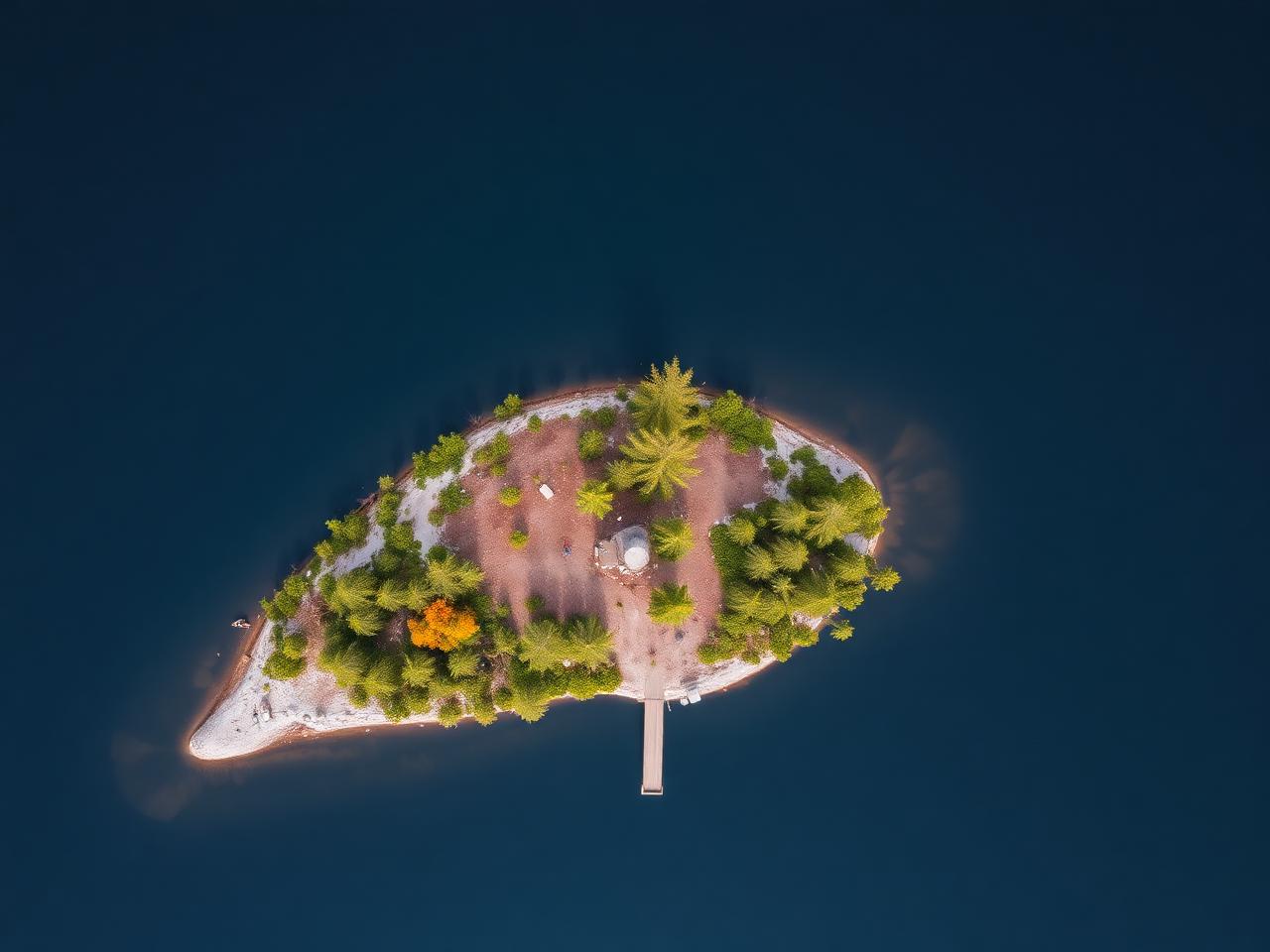
North America has the largest supply of genuinely accessible private islands, mostly because of freshwater lakes and river systems rather than tropical coastline. Ontario, Michigan, Maine, New York's Thousand Islands and coastal Nova Scotia together account for a large share of the islands that come to market in any given year, and many of them are road-and-boat accessible rather than requiring air transfer.
The trade-off is seasonality and regulation. Northern islands are typically used for part of the year, docks and boathouses are governed by state, provincial or federal shoreline rules, and septic and setback requirements often shape what can be built more than the acreage does. Buyers who plan around those constraints usually find North America offers the most predictable ownership experience of any region.
Countries in this region
Market overview
| Country | Typical setting | Ownership | Access |
|---|---|---|---|
| United States | Great Lakes, Thousand Islands, Maine coast, Florida bays and Alaskan waters | Freehold; state and county rules govern docks, septic and setbacks | Widely varied, from a five-minute boat ride to a floatplane charter |
| Canada | Ontario lakes, Nova Scotia coast, British Columbia inlets and Quebec waterways | Freehold; some provinces apply non-resident taxes to residential purchases | Seasonal boat access is common; some markets are winter-accessible by ice road |
Ownership and title
- Freehold ownership is the norm across the United States and Canada, with title held personally, in trust or through a company.
- Foreign buyers can generally acquire real estate in both countries, though some provinces and municipalities apply additional taxes or restrictions to non-resident residential purchases.
- Water lots, submerged land and the shoreline itself may be publicly owned, which affects docks, boathouses and moorings.
- Conservation easements, wetland designations and shoreline protection rules are common and run with the land.
What drives price
- Whether the island is accessible year-round or only during an open-water season
- Existing legal access rights, mainland parking and a deeded slip or dock on the mainland shore
- Septic approval and soil conditions, which frequently determine buildable capacity
- Grid power availability by submarine cable versus full off-grid systems
- Local zoning, minimum setbacks and shoreline development limits
Developed vs undeveloped
- Cottage-style developed islands are the most common product in Ontario, Michigan and New York, often sold with a main cabin, boathouse and dock already permitted.
- Undeveloped islands are more common in Maine, Alaska, Nova Scotia and British Columbia, where permitting timelines and barge logistics become the main variable.
- Because replacement cost is high, a legally permitted existing structure on a northern island can be worth more than an equivalent new build allowance.
Access and logistics
- Ice-out and freeze-up dates define the usable season on freshwater lakes, and shoulder seasons can leave an island temporarily unreachable.
- Mainland infrastructure — parking, a boat slip, winter storage — is part of the real asset and should be documented in the purchase.
- Coastal islands in Maine, Nova Scotia and British Columbia face open-water crossings that require a capable vessel and experienced handling.
- High-speed internet is now widely achievable through low-earth-orbit satellite service, which has changed year-round usability for remote islands.
Island types found here
Related guides
Frequently asked questions
Are North American island purchases simpler than tropical ones?
Conveyancing is usually familiar and well documented, and title insurance is widely available. The complexity moves to shoreline permitting, septic approval and seasonal access rather than to ownership rights.
Can I use a North American lake island year-round?
Some owners do, but it depends on the lake, the freeze cycle and the building's insulation and heating. Many northern islands are designed for a defined open-water season.
Does a private island include the surrounding water?
Generally no. Waterbeds and submerged lands are frequently public, and any dock or mooring usually requires a permit or lease.