Region
Private Islands for Sale in South America
South America is a comparatively thin but interesting private island market. Brazil's Atlantic coast and Chile's southern channels and lake district produce most of the inventory, with occasional opportunities on river systems and in Patagonia's fjord network. Scale is the distinguishing feature: islands here are often far larger than their Caribbean equivalents at similar prices.
Buyers should expect a more locally driven process. Documentation, surveys and coastal-zone rules are handled through national systems that reward early legal involvement, and remoteness means that infrastructure planning has to be resolved before rather than after purchase.
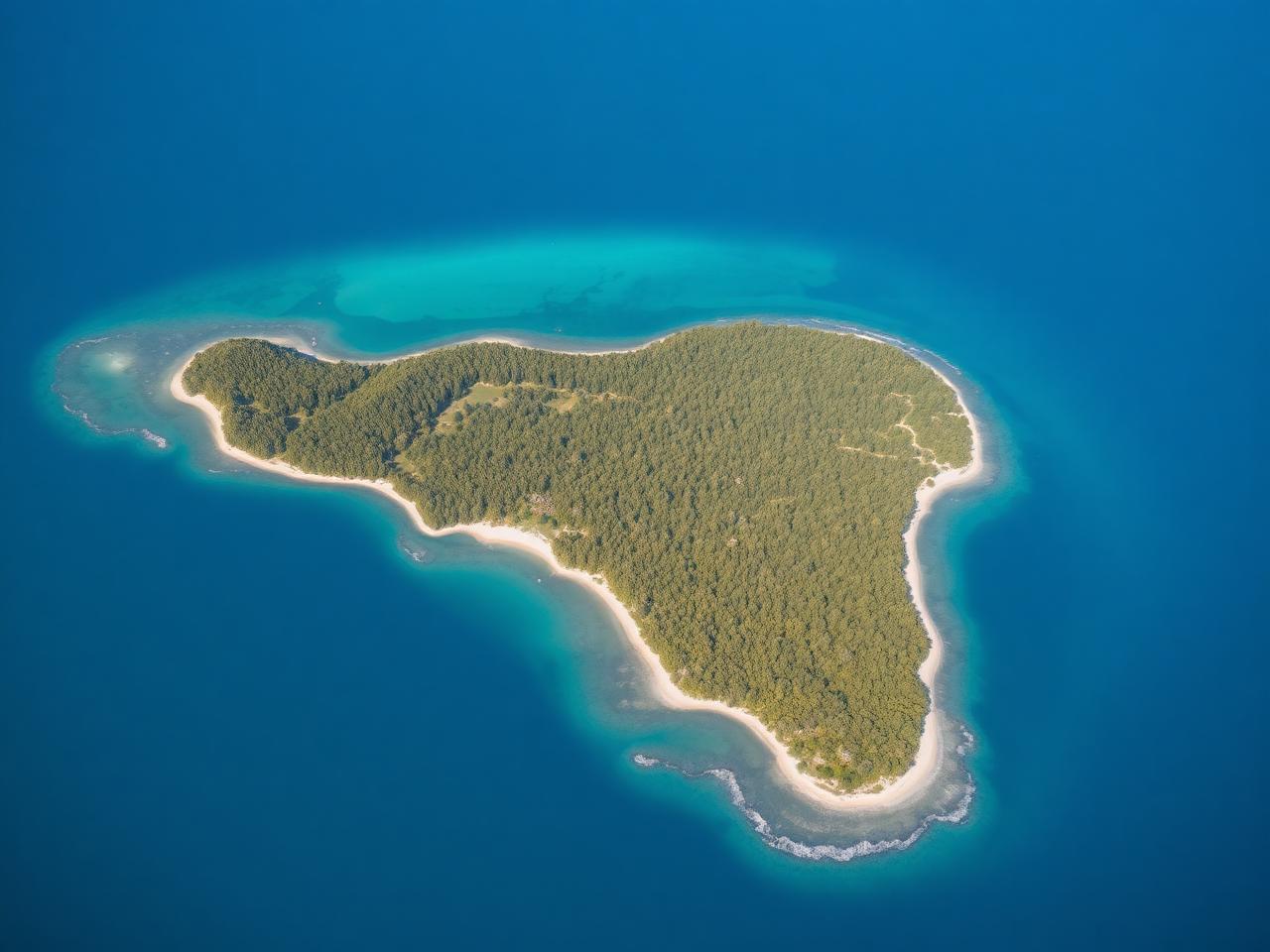
Countries in this region
Market overview
| Country | Typical setting | Ownership | Access |
|---|---|---|---|
| Brazil | Atlantic coastal islands, bays near Rio and Bahia, and river islands | Freehold with national registration; public beach strips are normal | Well-connected domestic aviation with short boat transfers |
| Chile | Southern channels, Patagonian fjords and lake-district islands | Freehold available; remote-area and coastal rules apply | Regional flights plus longer boat crossings in remote areas |
Ownership and title
- Freehold ownership is available in both Brazil and Chile, subject to national registration procedures.
- Coastal strips, beaches and maritime zones are commonly public property, which affects exclusivity and dock rights.
- Some border, coastal and security zones apply additional requirements for foreign buyers.
- Environmental licensing plays a large role in what can be built and how vegetation may be cleared.
What drives price
- Distance from a regional airport and the reliability of the connecting boat route
- Acreage and topography, since many islands are steep and only partly usable
- Environmental licensing status and any protected forest designation
- Water availability, which is often better than on tropical cays but still needs testing
- Local construction capacity and material transport distance
Developed vs undeveloped
- The majority of South American islands trade undeveloped, frequently with forest cover and no services.
- A small number of developed islands exist near established coastal resort areas and carry a significant premium for their permits and access.
- Ecotourism concepts are the most common commercial use, and they depend on licensing that must be confirmed rather than assumed.
Access and logistics
- Weather windows in Patagonia and the southern channels are a genuine operating constraint for both construction and travel.
- Brazilian coastal islands are typically reached by boat from a nearby town, which makes marina access an important part of the asset.
- Freshwater is frequently available from streams or wells in higher-rainfall areas, subject to testing and permits.
- Grid power is rarely available, so solar and battery systems are the norm.
Island types found here
Related guides
Frequently asked questions
Are South American islands larger than Caribbean ones?
Often yes. It is not unusual to see holdings measured in hundreds of acres, though much of that land may be steep, forested or environmentally protected.
Is the beach in front of an island private?
In several South American jurisdictions the foreshore is public property, so exclusivity comes from remoteness rather than from legal exclusion.
How difficult is construction in Patagonia?
Weather windows, transport distance and limited local trades all extend timelines. Projects there are usually planned in phases with prefabricated elements.