Region
Private Islands for Sale in Southeast Asia
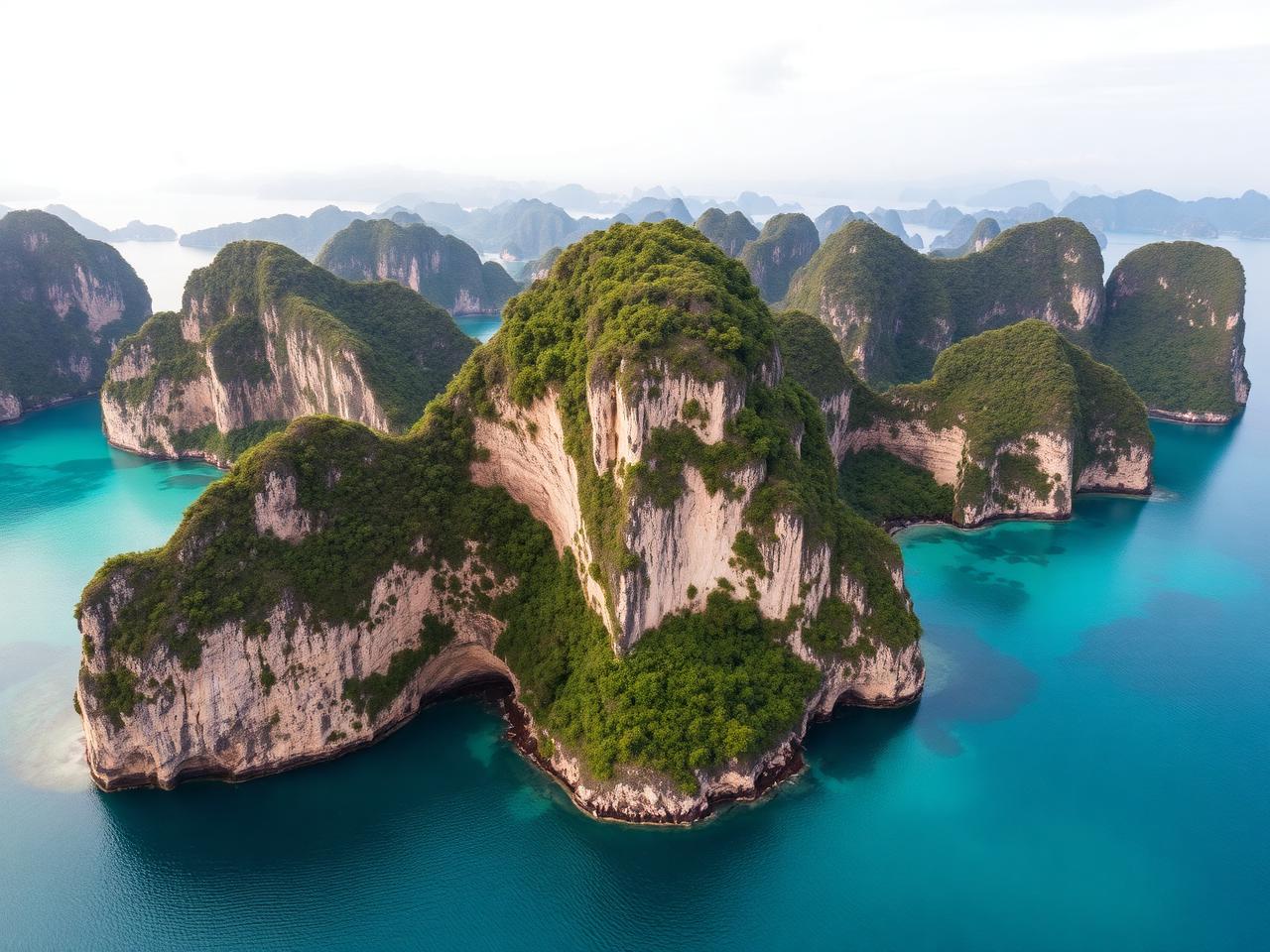
Southeast Asia contains an enormous number of islands and a comparatively small formal market for them. The Philippines and Indonesia dominate the available inventory, offering warm water, reef frontage and, in some areas, established tourism infrastructure within reach.
Foreign ownership is the region's central constraint. Both countries restrict direct land ownership by foreign individuals, so transactions are typically structured through long leases, local corporate vehicles or use rights. These structures are common and workable, but they need specialist local legal advice rather than assumptions carried over from other regions.
Countries in this region
Market overview
| Country | Typical setting | Ownership | Access |
|---|---|---|---|
| Philippines | Palawan, Visayas and northern archipelago islands | Foreign individuals cannot own land directly; leases and corporate structures are used | Manila and Cebu hubs with wide domestic coverage |
| Indonesia | Islands near Bali, Lombok, Komodo, Sumatra and Raja Ampat | Rights-of-use and leasehold structures apply to foreign investors | Jakarta and Bali hubs with domestic flights and boats |
Ownership and title
- Direct freehold land ownership by foreign individuals is restricted in both the Philippines and Indonesia.
- Long-term leases and right-of-use structures are the usual routes for foreign investors.
- Corporate structures with local shareholding are used, and their governance details matter enormously.
- Coastal zoning, marine protected areas and tourism licensing frequently determine what can be operated.
What drives price
- Whether the interest offered is a lease, a use right or shares in a landholding company
- Distance from a domestic airport and the reliability of onward boat transfer
- Reef and beach quality and the presence of a safe anchorage
- Existing tourism licences and permits for commercial operation
- Typhoon exposure in the northern Philippines and seasonal monsoon patterns
Developed vs undeveloped
- Undeveloped islands are widely offered, though documentation quality varies significantly between sellers.
- Small operating resorts appear regularly and are often the most straightforward way for a foreign investor to participate.
- Where an island is inhabited or subject to customary use, existing occupancy rights must be established up front.
Access and logistics
- Domestic aviation networks are extensive in both countries, with the final leg by boat.
- Monsoon seasons affect boat crossings and construction scheduling.
- Desalination and rainwater catchment are standard; mainland water connections are rare.
- Labour and construction costs are comparatively low, which offsets logistics expense on larger projects.
Island types found here
Related guides
Frequently asked questions
Can a foreigner own an island in Southeast Asia?
Direct land ownership by foreign individuals is restricted in the main markets. Participation normally happens through long leases, use rights or locally incorporated companies, each with different risk profiles.
Are these markets cheaper than the Caribbean?
Headline land figures are often lower, but the structuring, licensing and logistics work is more involved, and total project cost should be assessed rather than the land price alone.
What about existing communities on an island?
Occupancy, customary use and fishing rights are common and legitimate. They must be identified early, since they affect both use and value.